.886b7e0f1b4279f580fb1b8dff967b6d.webp)
Sneezing and Sniffling- Could Be Dust Allergy - Here's How to Tell
What dust allergies look like, why they happen, and how to manage them.
Learn all about dust allergies, how they’re diagnosed, and how dust mites trigger symptoms. You’ll also pick up simple strategies to allergy-proof your home and manage your symptoms.
When you find yourself using more tissues than usual, and your voice sounds hoarser, it's worth asking: could this be an allergy to dust?
Unlike a fleeting common cold, dust allergy tends to stick around, making its presence felt day after day. Here’s a closer look at dust allergy to help you spot the difference.
Unmasking Dust Allergy: The Hidden Trigger Behind Your Sneezes
Decoding the Symptoms: How to Recognize a Dust Allergy
What starts as seemingly harmless sniffles can quickly become a clue that something more persistent is at play. Allergic rhinitis, which can be triggered by dust, shares similarities with cold symptoms, such as sneezing and runny noses, but they don’t tend to let up as quickly. If your symptoms, including itchy and watery eyes, linger well beyond a week, it might be time to consider an allergy1.
Buying tissues by the boxload and frequent sneezing could indicate more than just a temporary irritant. Dust allergy can persist throughout the year, signaling that it’s time to investigate further2.
Activities such as cleaning or even simply jumping onto your bed might trigger an intense sneezing fit. If these daily actions are causing discomfort, it's likely that dust is to blame1.
Introducing the Tiny Culprits: Dust Mites
The main instigators of your allergic reactions are dust mites. These minute creatures flourish in the warm, inviting environment of your home, living off human skin flakes and provoking allergy1.
Although invisible to the eye, dust mites leave behind waste that can aggravate your symptoms, effectively turning your home into a battleground1.
Navigating Life with Dust Allergy: It's More Than a Minor Irritation
- Sleepless from Allergy: When your sleep is constantly interrupted by allergy symptoms, it's a clear sign that action is needed. Fighting allergy throughout the night can lead to utter exhaustion by morning3.
- Daytime Downturns: The fatigue that stems from a night of restless sleep can bleed into your day, draining your energy and dulling your focus. It goes beyond mere sneezing; it affects your entire quality of life3.
- Overlooked Dangers: Neglecting to treat allergy can escalate to more serious health issues, such as sinus infections or even asthma. It's essential to tackle these allergies directly.3
Investigating Dust Allergy: Uncovering the Facts
Partnering with Your Doctor
- Persistent Allergy: If your attempts at home remedies are falling short, it's time to seek professional advice. A doctor can help diagnose if you have allergic rhinitis.1
- Preparing for Your Doctor's Visit: Arrive at your appointment armed with a diary of your symptoms and a list of questions. The more detailed your information, the more effectively your doctor can assist you3.
- Diagnosis Discovery: To pinpoint if you are indeed suffering from a dust allergy, your doctor will likely conduct tests. This step is crucial in moving towards finding relief3.
Decoding the Tests: How to Confirm Your Dust Allergy
- The Quick Check: Skin tests provide a fast and straightforward method to determine what you're allergic to. A simple skin prick and your doctor can determine the triggers behind your sneezes1.
- Alternative Assessments: When skin tests are unsuitable, your doctor might consider blood tests. They play a crucial role in identifying the allergens responsible for your reactions3.
- Interpreting Results: Your doctor is best equipped to make sense of your test results, and can help craft a tailored allergy management strategy.1
Solving the Allergy Mystery: Establishing a Clear Diagnosis
- Critical Comparisons: It's important to distinguish between allergy and other similar conditions. Your doctor will explore various possibilities to pinpoint an accurate diagnosis3.
- Exploring Test Results: Test outcomes can sometimes be ambiguous, showing sensitivities that may not equate to full allergy. It's a complex task for the doctor to piece together the diagnostic puzzle3.
- The Importance of Precision: Getting your diagnosis right is key for your doctor to advise the most appropriate treatment. Accurate identification of your allergy can transform a guessing approach into a targeted plan for symptom relief.3
Take Charge: Empowering Yourself Against Dust Allergy
Transform Your Habitat: Allergy-Proofing Your Home
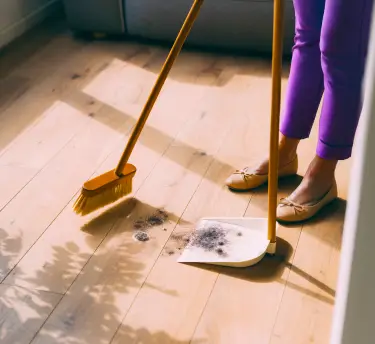
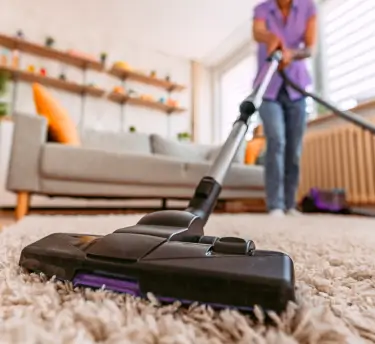
- The Clean Sweep: Regular cleaning, using dust mite-proof covers, and decluttering can significantly reduce allergens in your home3.
- Your Sanctuary: Invest in hypoallergenic bedding and air purifiers to create an environment that's less hospitable to dust mites3.
- The Humidity and Ventilation Balancing Act: Maintaining low humidity and good ventilation can discourage dust mites from settling in. It's about creating an oasis of fresh air3.
Unleash the Power of Allegra: Your Medical Ally
Allegra delivers fast,* powerful allergy relief with no brain fog due to drowsiness.
In conclusion, distinguishing between a cold and a dust allergy is crucial for effective management. By understanding the symptoms, seeking professional diagnosis, and taking proactive measures at home and with treatments like Allegra, you can take control of your health and write your own allergy success story.
Remember, it's not just about managing symptoms—it's about reclaiming your quality of life.
*Starts working in one hour. Applies to first dose only.
Find your Allegra®
.2026-02-20-10-52-19.svg)



Related Articles
.2026-04-13-07-03-02.webp)
References
- American College of Allergy, Asthma & Immunology (ACAAI). “Dust Allergy.” ACAAI.
- Food Allergy Research & Education (FARE). “Tips for International Travel.” *FARE*.
- Mayo Clinic. “Dust Mites: Symptoms and Causes.” Mayo Clinic.