.cc0a607af28a70b2424009f410d597c0.webp)
Comprehensive Guide to Traveling with Allergies: Stay Safe & Enjoy Your Trip
Learn how to travel confidently with a little allergy-savvy preparation.
This guide helps you take the guesswork out of traveling with allergies. From researching your destination to planning for new environments and staying organized throughout your trip, you’ll find simple steps to make travel easier.
Travel unlocks the door to freedom, offering a break from the mundane to chase new horizons. However, for allergy sufferers, this door can seem guarded by the fear of unknown allergens. But fear not! With the right preparation and awareness, you can embark on adventures that are both fulfilling and allergy-friendly.
This guide provides essential knowledge to outsmart allergens and practical tips for when the unforeseen happens, ensuring your travels remain joyous and free from allergy woes.
Understanding Common Allergens and Allergic Reactions
Travelers are especially susceptible to an array of allergens that differ from their home environments. Pollen, food, dust mites, and animal dander are just a few to mention. Allergies can manifest in various symptoms, such as sneezing, congestion, runny nose, and itching, and their presence varies greatly from region to region and season to season.2
Pollen Problems
Pollen from local flora can trigger seasonal allergies such as hay fever or allergic rhinitis. Understanding the pollination cycles of plants, your destination is key. Warm, dry, windy climates can lead to high pollen counts, causing significant discomfort for those sensitive to these allergens1.
Indoor Enemies
Indoor allergens like dust mites and pet dander can be more easily managed in a familiar environment, but when traveling, the presence of these allergens in unknown accommodations can be a concern. Proper planning can create a safer home away from home.2
Pre-Travel Preparation
Strategies for researching your destination to understand potential allergens.
Before setting foot on foreign soil, a comprehensive understanding of local allergens and healthcare facilities is vital. This includes finding out about the prescription policy in your destination country, as some countries may have restrictions on bringing in certain medications.2
Packing checklist for those traveling with allergies. Here's a checklist to ensure you're prepared:
- All necessary medications and prescriptions in travel-friendly quantities.
- Allergy cards printed in local languages or digital copies accessible offline.
- Personal protective gear like masks or gloves, especially if you have allergies to dust.2
Managing Allergies in Transit
From the moment you leave your home until you arrive at your destination, there are various opportunities to minimize allergy exposure.
In Hotels
When booking accommodation, look for hotels that offer hypoallergenic rooms. Communicate your specific requests when reserving, and double-check upon arrival. For example, request that feather pillows be removed or the room be prepared with allergy-friendly amenities2.
How to locate medical facilities before traveling
Before your trip, it’s helpful to look up nearby pharmacies so you know where to go if you need allergy medications, especially in countries where they may not be available in general stores. You can also check where local clinics are located in case you want guidance on managing persistent allergy symptoms during your stay.
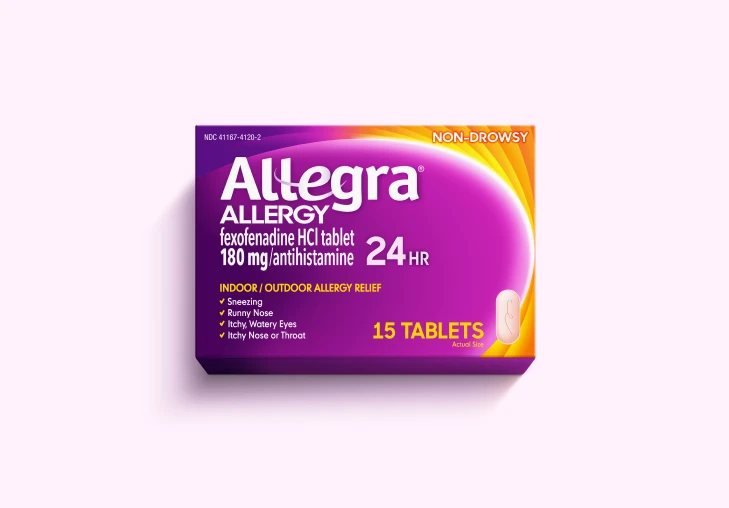
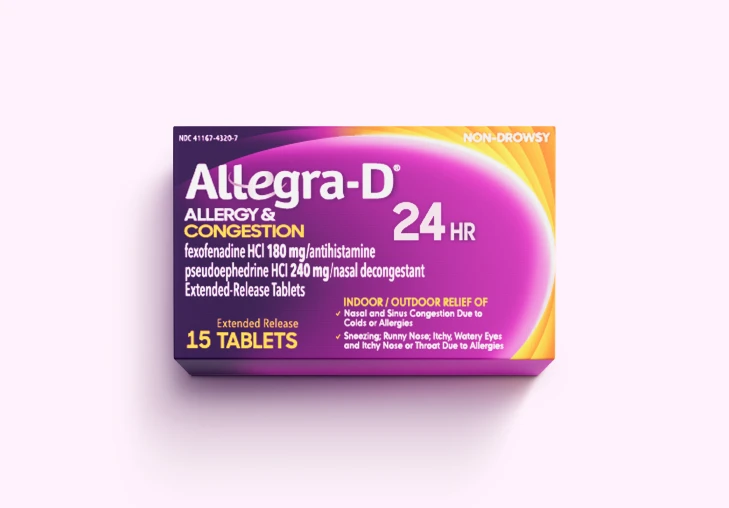
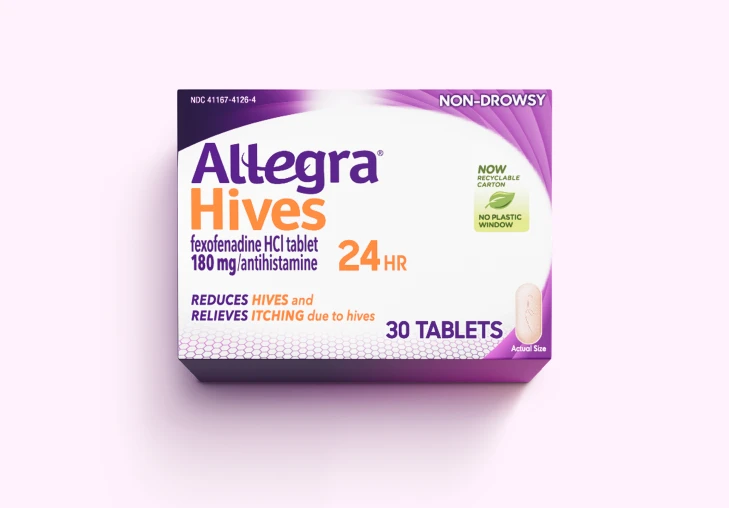
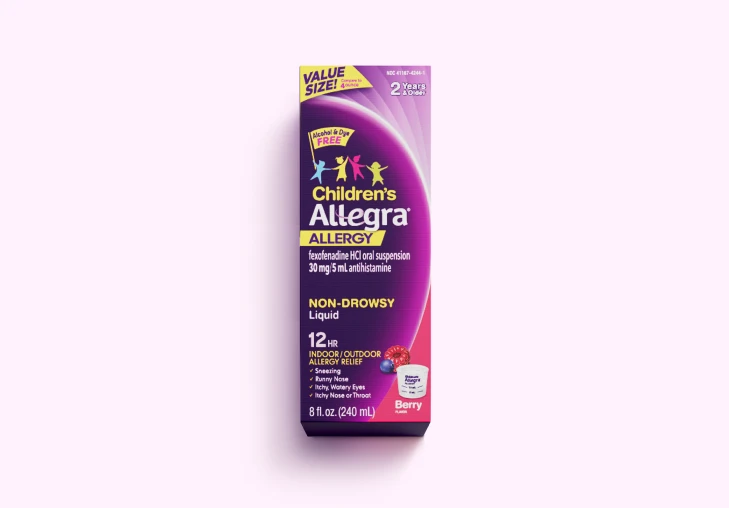
Find your Allegra®
.2026-02-20-10-52-19.svg)
Related Articles

.2026-04-13-07-03-02.webp)

References
1 Frontiers in Public Health. “Article 1030066.” Frontiers in Public Health. (2022).
2 Food Allergy Research & Education (FARE), “Tips for International Travel,” FARE.