.9fb9fca80e48eb2a522feb597927b664.webp)
The Science of Allergies: Why Do We React to Allergens?
A simple look at how and why your body reacts to indoor and outdoor allergens.
If you’re curious about what actually happens inside your body during an allergic reaction, you’re in the right place. Learn why allergic reactions happen and how allergens trigger symptoms.
In our everyday lives, we encounter a universe of substances – some, generally harmless, are mistakenly identified as threats by our immune system. These 'allergens' provoke an array of often miserable symptoms, from sneezing fits to life-threatening anaphylaxis. For a considerable portion of the global population, allergies are more than just seasonal nuisances; they're year-round challenges. But what's behind our body's seemingly misdirected warfare, and how can we better understand, treat, and perhaps even outgrow these reactions?
Introduction to Allergies
Allergies are abnormal immune system reactions to things that are generally harmless to most people. When triggered by an allergen, the immune system mistakenly identifies it as a pathogen, deploying unnecessary defense mechanisms. This leads to various symptoms, which can range from mild irritation to severe, life-threatening reactions2.
The impact of allergies is significant and widespread, affecting people of all ages globally. It is currently estimated that up to 30% of the world’s population is affected by allergies, with 4 billion people expected to suffer from allergic disorders by 20501.
Understanding Allergy Symptoms
The Many Faces of Allergies
Allergy symptoms vary widely, both in type and severity. For some, it might be a temporary rash or a bout of sneezing. For others, it could lead to severe discomfort, like the swelling of airways, which can lead to life-threatening conditions.
Symptoms may include:
- Sneezing and a runny or stuffy nose2
- Red, itchy, watery eyes
- A rash or hives
- Wheezing, tightness in the chest, and shortness of breath2
- Swelling of the tongue and throat
- Anaphylaxis, a severe and potentially life-threatening allergic reaction2
The Trigger Within – The Bodily Response to Allergens
The process that elicits these varied symptoms is initiated when allergens come into contact with the body, often through inhalation, ingestion, or physical contact. The body's immune response amps up, releasing histamines, prostaglandins, and other chemicals that trigger inflammation and various symptoms1.
Identifying Common Allergens
Allergens come in many forms and are present in numerous environments, from the pollen that rides the breeze in springtime to the proteins lurking in common foods, and even the chemicals that clean our homes. The diversity of allergens means that interactions can take place anywhere, and reactions can be as unpredictable as they are frequent.
Geographic and Cultural Allergy Profile
Sensitivities can also be tied to geography. Environmental allergens like pollen and mold vary with the seasons and are location-dependent. Similarly, food allergies can manifest differently across cultures based on dietary staples.
For example, ragweed is a common allergen in North America, while olive trees are a pollen source of reactivity in Mediterranean regions. People from countries where a particular food is a dietary main can develop allergies to those foods when they move somewhere else1.
Immunological Response to Allergens
The immune system is composed of various cells, all working together to protect the body from infections and disease. When it comes to allergies, the response is initiated by the overreaction of immune cells, particularly mast cells and basophils, which release large amounts of histamine and other inflammatory mediators upon allergen exposure. This overreaction results in the symptoms we experience2.
Current and Emerging Allergy Treatments
How Do We Fight Allergic Rhinitis?
Treatments for allergies aim to alleviate symptoms or, in some cases, address the underlying immune system response to prevent future reactions. Common approaches involve antihistamines to dampen histamine effects or corticosteroids to reduce overall inflammation. Allergy desensitization, or immunotherapy, aims to build tolerance to allergens over time through gradual exposure.1
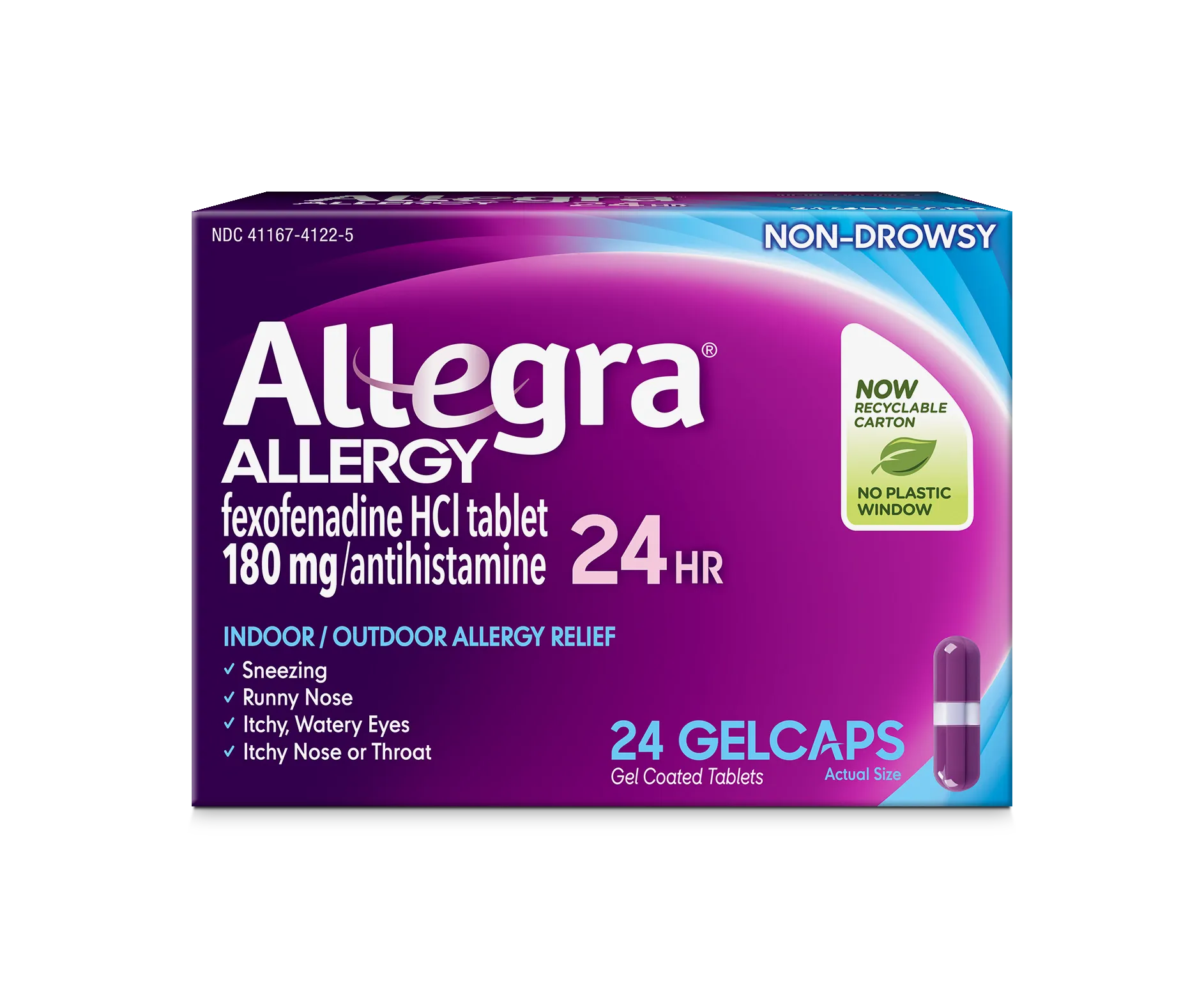
Find your Allegra®
.2026-02-20-10-52-19.svg)


Related Articles


.2025-10-29-10-08-14.webp)
References
1 Cleveland Clinic. “Allergies.” Cleveland Clinic.
2 Mayo Clinic. “Allergies – Symptoms and Causes.” Mayo Clinic.