.459ac444ec8c8ce3b0c4c06fddcefbad.webp)
Recognizing the Symptoms of Seasonal and Perennial Allergies
Your guide to recognizing spring allergy symptoms and fall allergy symptoms.
Your seasonal allergy symptoms are shaped by what’s happening outdoors. As different allergens circulate throughout the year, your body may respond with congestion, sneezing, or itchy eyes.
Here’s how to recognize spring allergy symptoms and fall allergy symptoms.
Dealing with allergies is no fun, but understanding what's going on can make it a whole lot easier to manage those pesky seasonal allergy symptoms. Seasonal and respiratory allergies affect 10-20% of people globally1, so it’s certainly a common occurrence. However, it can still be tricky to tell the difference between the common cold and an allergy. Learn more about this condition and the existing prevention and treatment methods available. You'll also find the answers to some frequently asked questions, and we’ll help clear up any misconceptions you may have about seasonal allergies.
What Are Respiratory Allergies?
Have you ever wondered why you have sneezing fits or a runny nose at certain times of the year? Perhaps you suffer from seasonal allergy symptoms. Allergies happen when your body's defense system gets a little overexcited and mistakes harmless stuff like pollen or dust for a dangerous invader. This misinterpretation causes your body to produce antibodies, which leads to an allergic reaction.2
These allergies go straight for your breathing zones. Respiratory allergy conditions include allergic asthma, which affects the airways, and allergy rhinitis, also known as hay fever, which mainly causes nasal symptoms and itchy eyes. Unlike topical allergies, which can lead to skin rashes, or food intolerances, respiratory allergies directly affect your breathing.3
This reaction is triggered by allergens, which are usually harmless substances naturally occurring in your environment. The most common allergens include pollen, house dust mites, animal dander, and mold spores.4
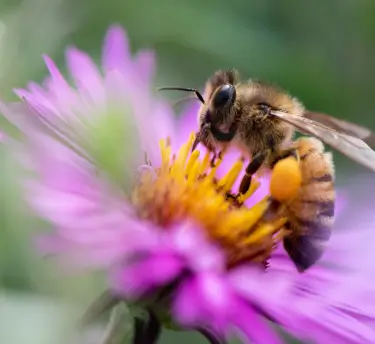
Pollen, which is released by plants during their reproductive cycle, is a prime culprit in spring allergy symptoms. These tiny particles floating in the air can be easily inhaled, and they then trigger an allergic reaction. In the fall, different types of pollen and mold spores, which often thrive in humid environments, predominate, leading to fall allergy symptoms.5
Those tiny dust mites lurking in your home can also stir up allergy woes. They thrive in warm, humid environments and are often found in bedding, upholstered furniture, and carpets. Their waste products can trigger allergic reactions that primarily affect the respiratory tract.6
Animal dander, and more precisely the particles retained in it (such as tiny flakes of the epidermis, the saliva proteins of sebaceous and sweat glands, or urine secreted by cats, dogs, and other furry or feathered pets) is also an important allergen. These allergens can also occur in households without pets. Due to their small size, they spread easily, and can be found in house dust from floors, carpets, and even clothing. When inhaled, they cause an allergic reaction.7
Mold spores, which are found both indoors and outdoors, can also set off your respiratory allergies. They grow in damp rooms such as bathrooms and basements, and they release spores into the air. Just like animal dander, mold spores can be inhaled and trigger allergic reactions.8
Common Symptoms and Conditions of Respiratory and Seasonal Allergies
We know how tough it can be to deal with sneezing and itching eyes, especially when you're trying to enjoy your day. Recognizing the first signs of respiratory and seasonal allergies can help you manage your condition effectively. This knowledge is especially important during the seasons when allergens such as pollen are at their peak and are most likely to trigger severe seasonal allergy symptoms.
Allergic rhinitis (hay fever)
You know that whole constant sneezing, runny nose, itchy eye thing? That might be allergic rhinitis, or as some folks call it, hay fever. These reactions are your immune system's response to airborne allergens like pollen or mold spores. The symptoms, including sneezing, runny nose, and itchy eyes can affect your daily life, especially during seasons rich in pollen.9
Nasal congestion
A blocked nose is a classic sign of allergic rhinitis. It occurs when the mucous membranes in the nasal passages become inflamed due to an allergic reaction, making it difficult to breathe through the nose.10 Waking up with a stuffed-up nose can really put a damper on your day (and your night's sleep).
Rhinorrhea
That drippy, constantly runny nose? Yep, that's called rhinorrhea, and it's a real pain when you've got allergic rhinitis. It's characterized by excessive mucus production as your body tries to remove irritants such as dust or pollen from the nasal passages. Although this is a natural protective mechanism, rhinorrhea can also be unpleasant, especially in company or at work.11
Sneezing
Sneezing is a reflex to clear irritants from the nasal passages and is a common symptom of respiratory allergies. Frequent sneezing, especially when accompanied by other allergy symptoms such as itchy eyes or nasal congestion, is an indication of an allergic reaction.1,12,13
When to see a doctor for respiratory allergy symptoms?
You should see a doctor about your respiratory allergy symptoms if you can't manage your symptoms well.
How to Manage the Symptoms of Respiratory and Seasonal Allergies
Are you tired of waking up with a stuffy nose? We've got some strategies to help clear things up.
- Quick fixes. Saline rinses14 washes away allergens, and anti-allergen filters help purify your air.
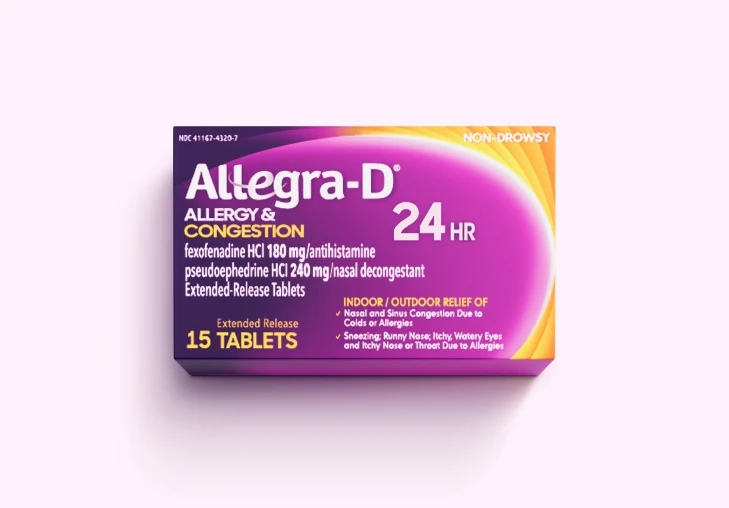
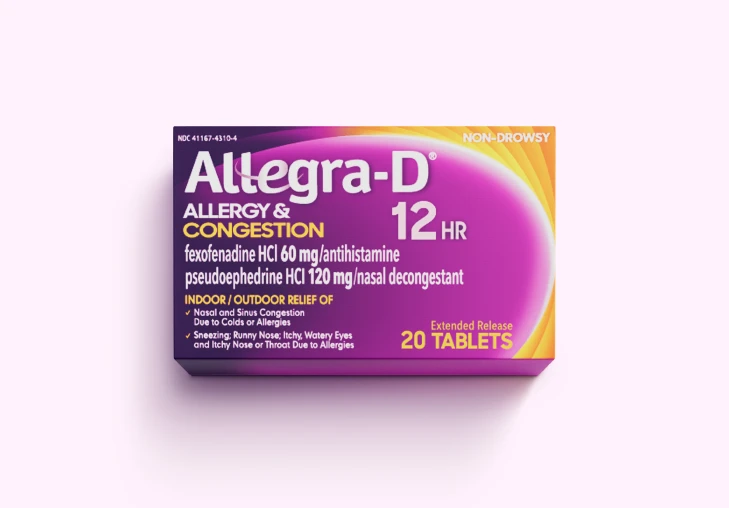
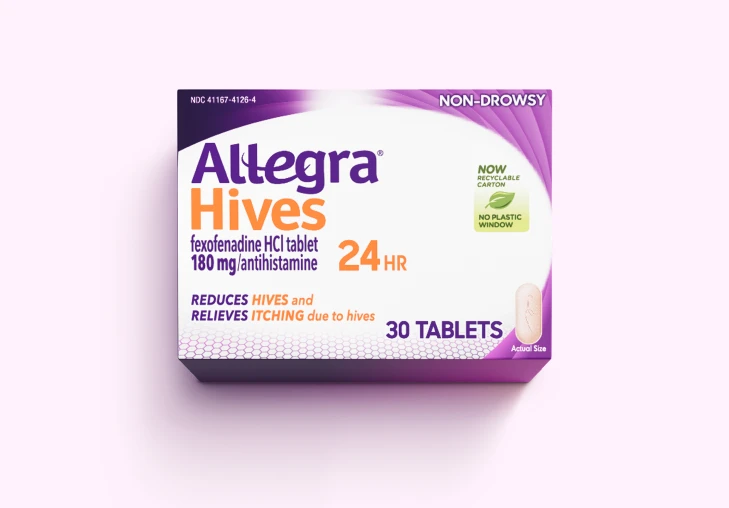
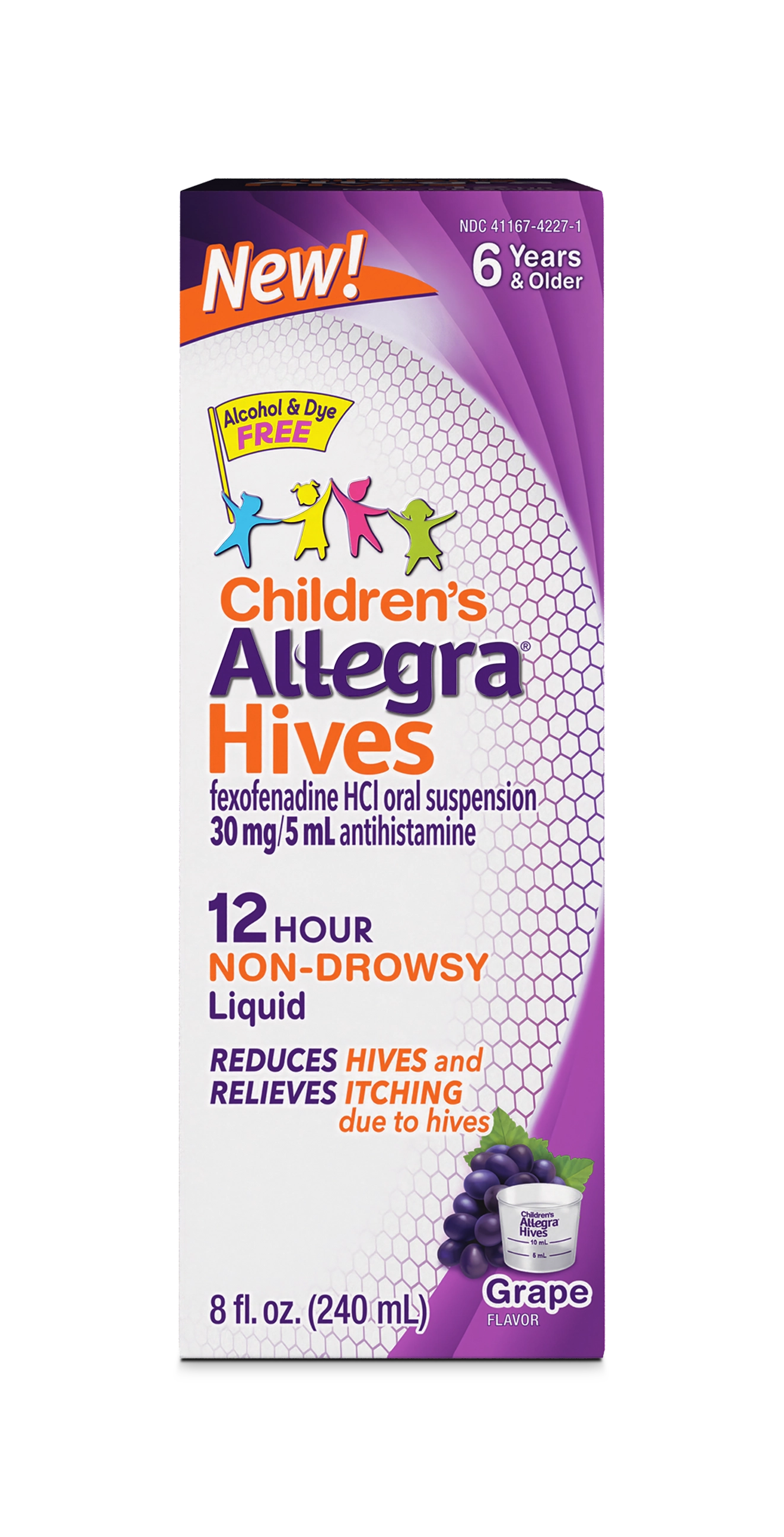
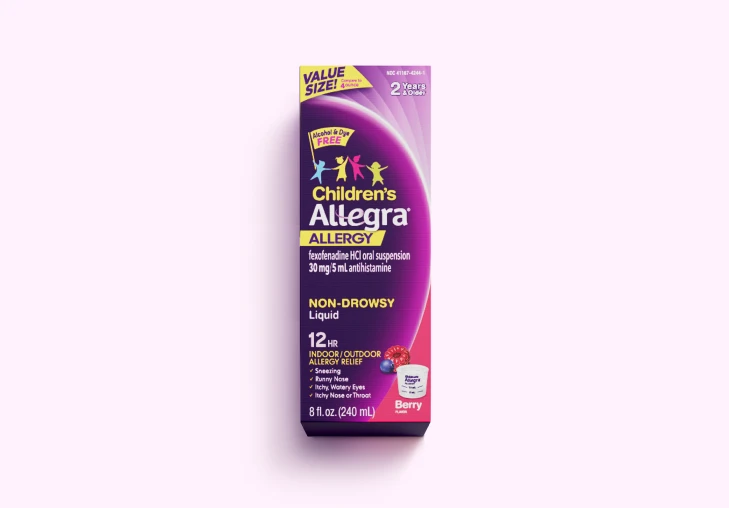
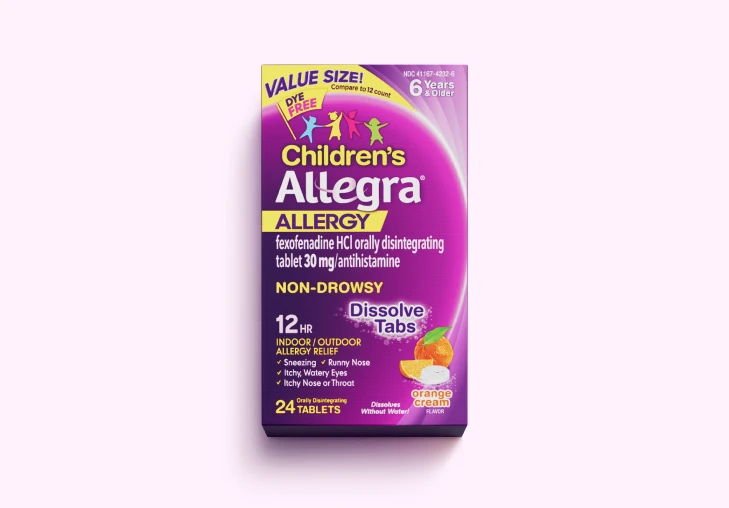
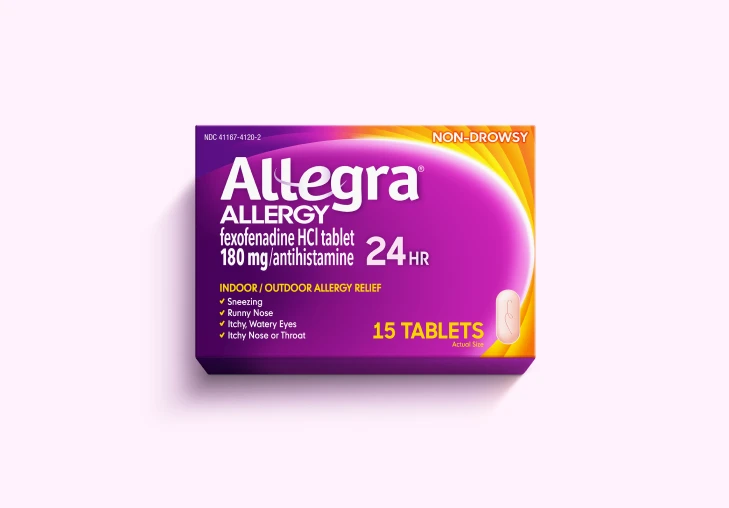
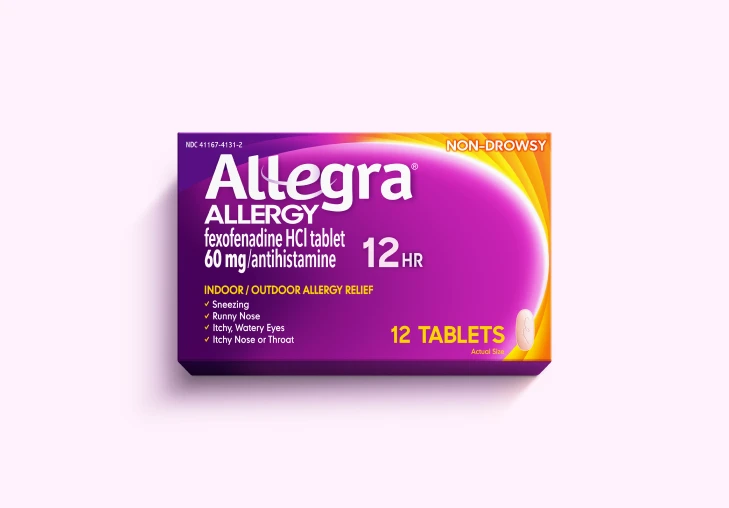
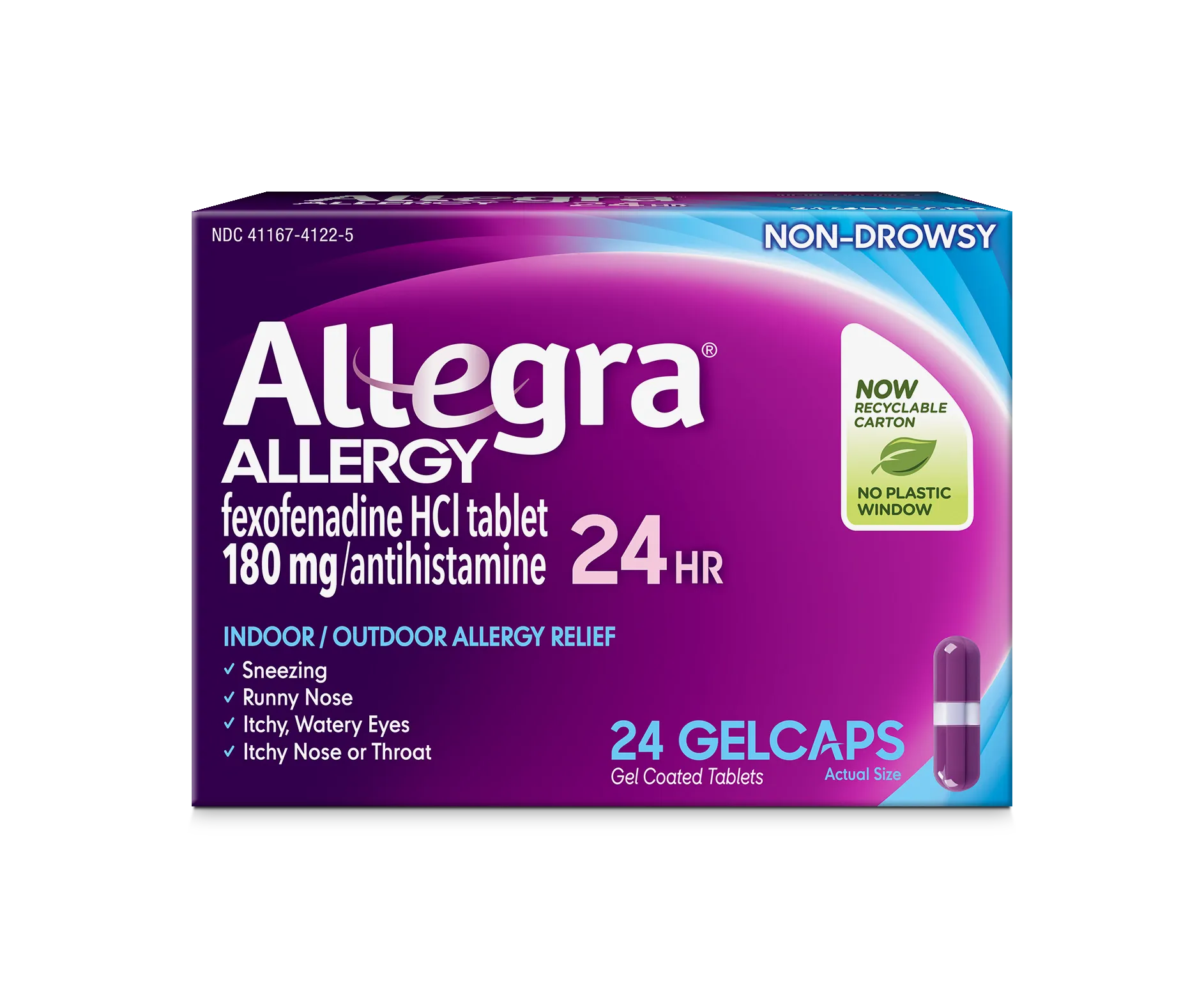
- OTC relief. Antihistamines like Allegra can help lessen sneezing and ease itchiness in the nose, throat, and eyes, and steroid nasal sprays15 can help clear up your nasal passages for better breathing.
- Advanced options. For stubborn allergies, your doctor might suggest exploring prescriptions or immunotherapy for long-term tolerance building.15, 16
Just remember, although OTC products can offer relief for many allergic rhinitis sufferers, we all respond a little differently to meds. Doctors can help you explore different options for your specific needs.
Frequently Asked Questions
How long does allergic rhinitis last?
Allergic rhinitis, which is often triggered by pollen, house dust mites, or allergens in pet dander, can be seasonal or year-round. Seasonal allergic rhinitis, or hay fever, usually occurs during certain pollen seasons, but rhinitis can last all year round.17
What are the three stages of an allergic reaction?
An allergic reaction usually occurs in three phases:
- An initial phase in which mild symptoms (itching and redness) appear within minutes after exposure to the antigen
- An early phase, occurring from a few minutes to a few hours of a full-blown immune reaction, which can include symptoms such as swelling and nasal congestion.
- A late phase that can occur 2 to 24 hours later with recurrent symptoms. It is not necessary for every person to experience all phases, and the severity and type of symptoms vary from person to person.18
What is the difference between rhinorrhea and rhinitis?
Rhinorrhea refers to a runny nose in which excessive nasal secretions are produced and discharged, often as a symptom of colds or allergies. Rhinitis, on the other hand, is an inflammation of the nasal mucosa that can cause symptoms such as a runny nose, sneezing, and itching.10 Understanding the difference can help you tell whether you’re dealing with a single symptom or a broader inflammatory issue, which can be useful when talking with your healthcare provider about allergy management and treatment options.
Outro
There you have it – the full scoop on spotting those annoying allergy symptoms and getting them under control. And don't forget, remedies like Allegra can be total game-changers for allergy warriors. Non-drowsy, fast relief*, long-lasting results – they'll help you power through allergy season like a pro. Of course, everybody is different, so chat with your doctor to find the perfect treatment plan tailored just for you.
*Starts working in one hour. Applies to first dose only.
Disclaimer: Image created with Al assistance.
Find your Allegra®
.2026-02-20-11-52-19.svg)
Related Articles


References
1 Payandeh, P., J. Fadaee, F. J. Azad, M. Bakhshaii, and S. Sistani. “Allergens Prevalence among Patients with Respiratory Allergies in Mashhad, Iran.” *Tanaffos* 18, no. 2 (2019): 133–141.
2 American Academy of Allergy, Asthma & Immunology (AAAAI). “Allergies Overview.” AAAAI.
3 American Academy of Allergy, Asthma & Immunology (AAAAI). “Hay Fever (Allergic Rhinitis).” AAAAI.
4 Dawn K. Lei and Leslie C. Grammer, “An Overview of Allergens,” PubMed.
5 Asthma and Allergy Foundation of America (AAFA). “Pollen Allergy.” AAFA.
6 American College of Allergy, Asthma & Immunology (ACAAI). “Dust Allergy.” *ACAAI*.
7 National Institute of Environmental Health Sciences (NIEHS). “Pet Allergens.” NIEHS.
8 Asthma and Allergy Foundation of America (AAFA). “Mold Allergy.” AAFA.
9 American College of Allergy, Asthma & Immunology (ACAAI). “Cough.” ACAAI.
10 NHS Inform. “Allergic Rhinitis.” NHS Inform.
11 Knight, Allan, MD, FRCP(C), FACP. “The Differential Diagnosis of Rhinorrhea.” Journal of Allergy and Clinical Immunology (1995).
12 McLendon, Kevin, and Britni T. Sternard. “Anaphylaxis.” National Center for Biotechnology Information, NCBI Bookshelf.
13 National Health Service (NHS). “Anaphylaxis.” NHS.
14 Asthma and Allergy Foundation of America (AAFA). “Mold Allergy.” AAFA.
15 “Intranasal Corticosteroid (INCS) Therapy for Allergic Rhinitis.” National Center for Biotechnology Information, PMC.
16 Hermelingmeier, Kristina E., Rainer K. Weber, Martin Hellmich, Christine P. Heubach, and Ralph Mösges. “Nasal Irrigation as an Adjunctive Treatment in Allergic Rhinitis: A Systematic Review and Meta-analysis.” PubMed.
17 Asthma and Allergy Foundation of America (AAFA). “Rhinitis (Nasal Allergy/Hay Fever).” AAFA.
18 Stephen J. Galli, Mindy Tsai, and Adrian M. Piliponsky, “The Development of Allergic Inflammation,” Nature.