
Why Do Some Allergy Medicines Make You Drowsy
- Treatment
Creation: Aug 25, 2026
Last update: Sep 22, 2026
Have you ever taken allergy medicine and noticed that you felt sleepy, less alert, or mentally foggy afterward? You're not alone. While antihistamines can be effective at relieving allergy symptoms such as sneezing, itching, and a runny nose, some are more likely than others to cause drowsiness. Understanding why this happens can help you choose an allergy medicine that fits your daily routine and discuss the best option with your healthcare professional.
Why Can Antihistamines Cause Drowsiness?
When your body encounters an allergen, it releases a substance called histamine. Histamine plays a key role in causing allergy symptoms, but it also helps regulate wakefulness and alertness.
Antihistamines work by blocking the effects of histamine. Some antihistamines can enter the brain and block histamine receptors involved in maintaining alertness. When this occurs, feelings of sleepiness or reduced concentration may result.1, 2
How likely an antihistamine is to cause drowsiness depends largely on how much of the medicine reaches the brain.
Why Are Some Antihistamines Less Likely to Cause Drowsiness?
Antihistamines are generally grouped into first-generation and second-generation medicines.
First-generation antihistamines are more likely to enter the brain and may cause drowsiness in some people.4, 5
Many second-generation antihistamines are designed to limit the amount of medicine that reaches the brain. As a result, they are generally less likely to cause drowsiness than first-generation antihistamines while still helping relieve allergy symptoms.1-3
However, drowsiness can still occur with some second-generation antihistamines, and the effect may vary from person to person. Always read and follow the product label before use.
How Do You Know If Your Allergy Medicine May Cause Drowsiness?
Check the Drug Facts Label or product information for warnings about drowsiness, sleepiness, or impaired alertness.
You may also want to consider:
- Whether you need to drive, operate machinery, or perform tasks requiring concentration.
- Whether you have experienced drowsiness with allergy medicines in the past.
- Whether your symptoms require daytime or nighttime relief.
If you are unsure which option may be appropriate for you, speak with a healthcare professional.
What Should You Do If Your Allergy Medicine Makes You Drowsy?
If your allergy medicine causes drowsiness:
- Avoid driving or operating machinery until you understand how the medicine affects you.
- Follow all label instructions carefully.
- Talk with a healthcare professional about alternatives that may be less likely to cause drowsiness.
- Never take more than the recommended dose.
The right allergy treatment can help relieve symptoms while supporting your daily activities and routine.
DISCLAIMER SECTION:
Partially Al-generated before human review and editing. Image is AI generated including performer.
FAQs
Why do antihistamines make some people sleepy?
Some antihistamines can enter the brain and block histamine receptors involved in maintaining wakefulness. This can result in feelings of drowsiness in certain individuals.
Are all antihistamines equally likely to cause drowsiness?
No. Different antihistamines have different properties. Many second-generation antihistamines are generally less likely to cause drowsiness than first-generation antihistamines, although some individuals may still experience sleepiness.
How long do oral antihistamines work?
Second-generation oral antihistamines can provide symptom relief for approximately 12 to 24 hours, depending on the specific product and individual factors. Always follow product labeling instructions.6
Can I take allergy medicine during the day?
Many people use allergy medicines during the day. However, because some products may cause drowsiness, it is important to read the label and understand how the medicine affects you before engaging in activities that require alertness.
Learn more

- Adult
What Causes Hives? Triggers and Unknown Causes

- Adult
Allergy Medicine for Adults: A Practical Guide

- Seasonal
Hay Fever and Allergic Rhinitis: What It Is and How to Get Relief

- Treatment
- Seasonal
- Adult
The Difference Between Allergies, the Flu and COVID
Not sure whether your symptoms point to the flu or allergies, or COVID-19? This guide walks through the symptoms of each condition so you can better understand what you’re experiencing.
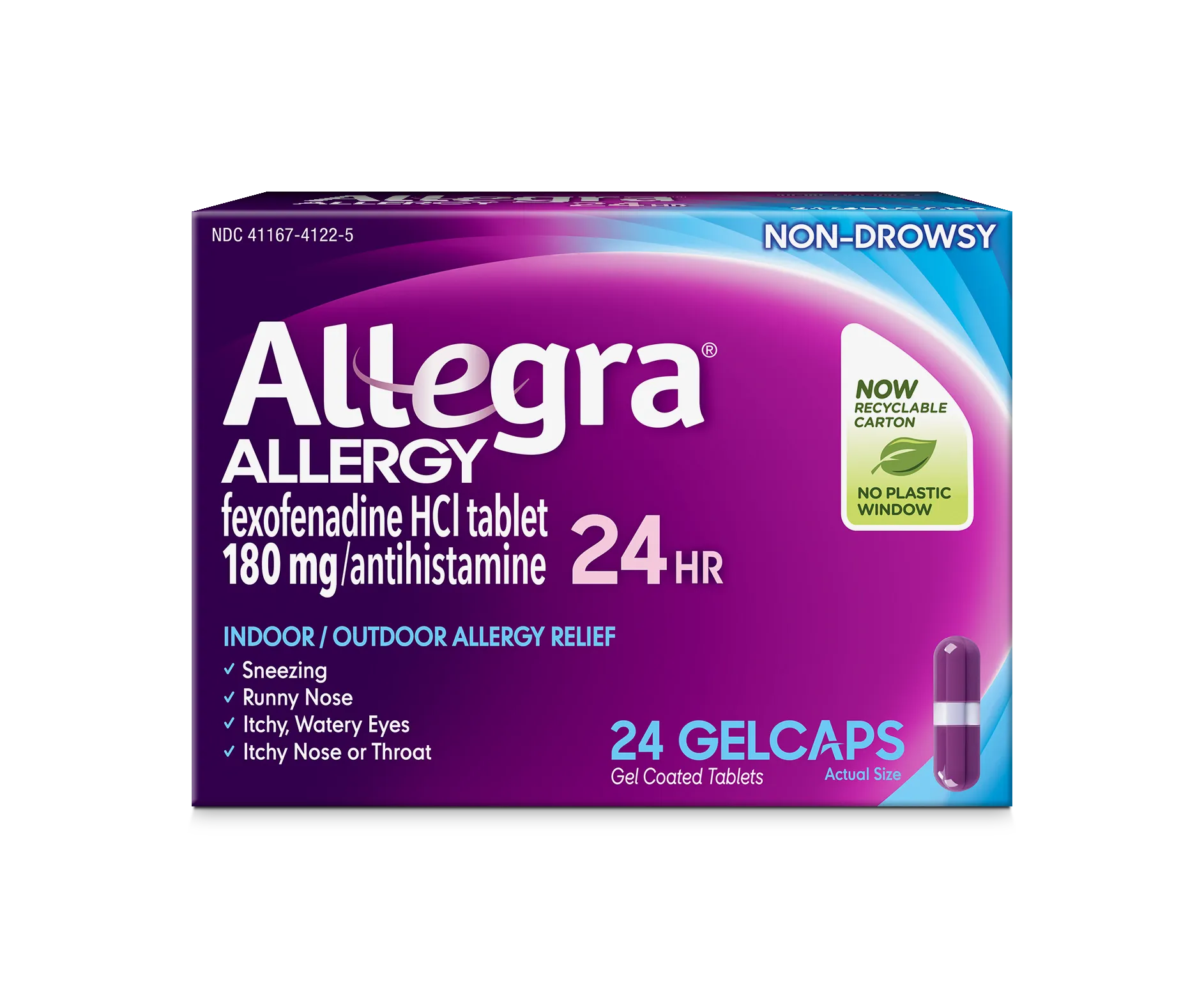
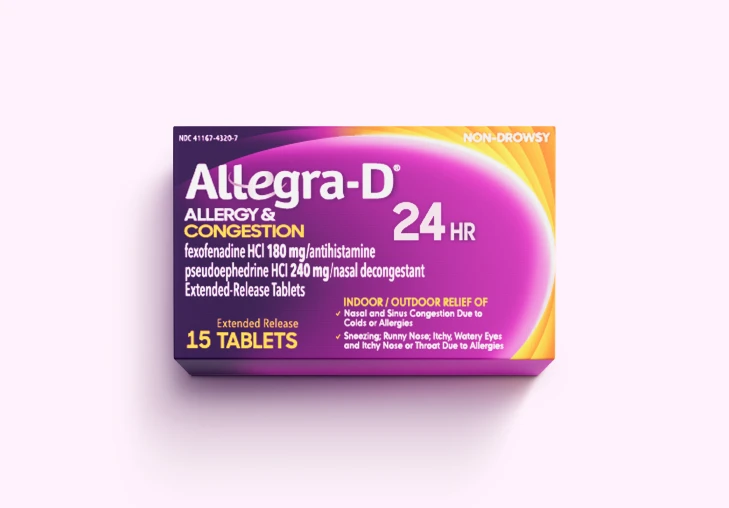
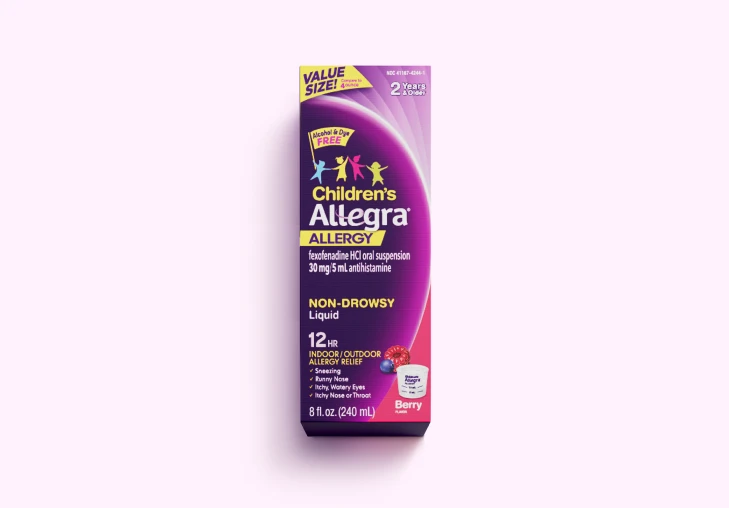
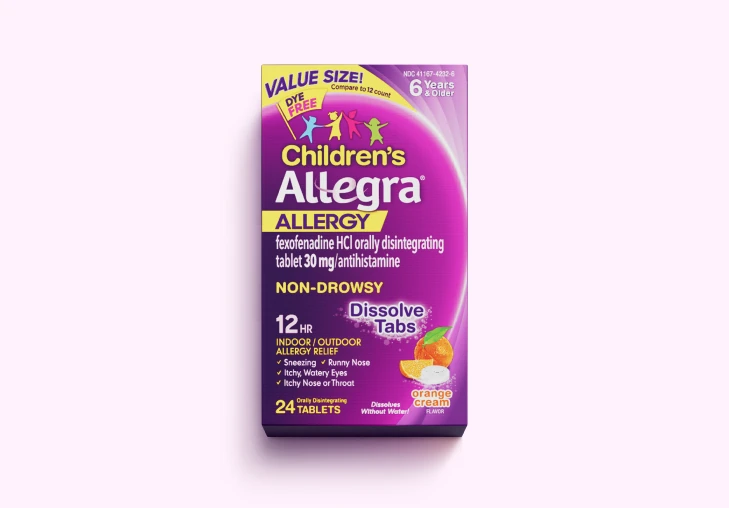
Find your product
References
- Simons FER. Advances in H1-antihistamines. N Engl J Med. 2004;351(21):2203-2217.
- Wise SK, Lin SY, Toskala E, et al. International Consensus Statement on Allergy and Rhinology: Allergic Rhinitis. Int Forum Allergy Rhinol. 2018;8(2):108-352.
- Van Cauwenberge P, Bachert C, Passalacqua G, et al. Consensus statement on the treatment of allergic rhinitis. Allergy. 2000;55(2):116-134.
- Church MK, Maurer M, Simons FER, et al. Risk of first-generation H1-antihistamines: a GA²LEN position paper. Allergy. 2010;65(4):459-466.
- Mohler SR, Nicholson A, Harvey P, Miura Y, Meeves SG. The use of antihistamines in safety-critical jobs: a meeting report. Curr Med Res Opin. 2002;18(6):332-337.
- Markham A, Wagstaff AJ. Fexofenadine. Drugs. 1998;55(2):269-274.