
What Causes Hives? Triggers and Unknown Causes
- Adult
Creation: Oct 5, 2026
Last update: Oct 5, 2026
Hives may be linked to allergies, medicines, physical triggers, stress, or no identifiable external cause. Learn how acute and chronic patterns differ and when an unexplained outbreak may fit chronic spontaneous urticaria.
You broke out in hives, and you have no idea why. You have already ruled out the usual suspects: you did not eat anything new, and you did not start a new medication. You are left wondering whether "no known cause" is even a real answer. It is. Hives can be associated with allergic triggers, such as foods, medications, and insect stings; physical triggers, such as cold, heat, pressure, and exercise; stress-related aggravation; or no identifiable external trigger. Chronic idiopathic urticaria accounts for as many as 80% to 90% of chronic urticaria cases.1 If an evaluation is inconclusive, that can be consistent with chronic spontaneous urticaria, although a healthcare professional should guide the assessment. This article explains the principal categories, the patterns that can help distinguish them, and why "no cause found" is common in chronic disease.
The Cause Taxonomy: Allergic, Physical, Stress and Idiopathic
What causes hives on the skin can differ from one person to another and from one episode to the next. Four broad categories help organize the possibilities: allergic reactions, physical or inducible triggers, stress-related aggravation, and idiopathic or spontaneous disease. These categories describe patterns rather than a diagnosis that readers should make on their own. A healthcare professional can consider the timing, recurrence, duration, and relationship to possible exposures.
Allergic urticaria occurs when the immune system reacts to an allergen and releases mediators such as histamine that can produce wheals and itching.2 A physical trigger produces a more reproducible pattern after cold, heat, pressure, friction, or body warming. Stress can aggravate symptoms in some people, but it is not established as the sole cause of most hives.1 In chronic spontaneous urticaria, mast cells are activated even though no identifiable external or inducible trigger is found.3
The Four Categories at a Glance
| Category | Examples | How Common |
|---|---|---|
| Allergic | Foods, medications, and insect stings | Possible in acute cases. Many new episodes are postinfectious or idiopathic.4 |
| Physical | Cold, heat, pressure, friction, and exercise |
Recognized in chronic inducible urticaria. Frequency varies by subtype.3 |
| Stress-related | Emotional or physical stress | Recognized as an aggravating factor, not the established sole cause of most hives.1 |
| Idiopathic or spontaneous | No identifiable external or inducible trigger | The most common category in chronic cases. One review reports 80% to 90% as idiopathic.1 |
So, what is the most common cause of hives? The answer depends on whether the episode is acute or chronic. Acute hives resolve within six weeks. In older children and adults with new-onset urticaria, many episodes are idiopathic or follow an infection. An immunoglobulin E, or IgE, mediated allergy is unlikely unless symptoms repeatedly follow a specific exposure.4 This distinction matters because hives that happen while someone has an infection or is taking an antibiotic are not automatically proof of an allergy.
Chronic hives last longer than six weeks and may recur on most days or in repeated episodes. Chronic urticaria includes inducible forms, in which a physical stimulus can be identified, and chronic spontaneous urticaria, in which no external or inducible trigger is found.3 For many people trying to identify a single cause, the honest answer is that there is no obvious trigger. That is a recognized clinical finding, not evidence that the symptoms are imagined or that the evaluation necessarily failed.
Allergic and Medication Triggers
Some allergic reactions can cause hives, particularly when symptoms reproducibly begin soon after exposure to a specific allergen. The combination of timing and recurrence is important. A single episode after eating a food or taking a medicine may raise a question, but it does not by itself establish the cause. The pattern is more suggestive when the same exposure is repeatedly followed by similar symptoms. Relevant allergen sources include foods, medicines, and insect venoms.2
Medication Triggers
Medications can trigger or aggravate hives, but the relationship is not always straightforward. Nonsteroidal anti-inflammatory drugs, or NSAIDs, can worsen hives in some people with chronic urticaria.1, 4 Angiotensin-converting enzyme, or ACE, inhibitors are more closely associated with angioedema without itching or typical hives.4 Beta-lactam antibiotics can trigger allergic reactions in some people, but infection-related hives may also develop while an antibiotic is being taken.1, 4 Timing alone therefore does not confirm that the antibiotic caused the outbreak.
The details around an episode can help a healthcare professional assess the possibility of a medication reaction. Useful information includes when the medicine was started, when the hives appeared, whether other symptoms occurred, whether there was an infection, and whether the same medicine had been taken before. If hives appear after you start a new medication, note the timing and contact the healthcare professional who prescribed it. Do not stop a prescribed medicine on your own unless a healthcare professional advises you to do so.
Insect stings can also be associated with allergic hives. As with foods and medicines, the context and timing matter. Hives that consistently follow a particular exposure deserve professional assessment, especially when the reaction involves symptoms beyond the skin.
Physical, Stress-induced and Idiopathic Hives
Not every case of hives comes from something you ate or took. Sometimes the pattern points to a physical stimulus. Sometimes stress aggravates existing symptoms. Often, particularly in chronic hives, there is no identifiable external trigger at all. Looking carefully at when the welts appear can help distinguish a reproducible physical pattern from spontaneous disease.
Physical Triggers: Cold, Heat, Pressure, Exercise
Physical urticaria, also called chronic inducible urticaria, includes several distinct conditions. Cold urticaria can produce hives within minutes after exposure to cold air, water, objects, foods, or beverages.3 Cholinergic urticaria is associated with active or passive body warming, including exercise, hot baths or showers, strong emotions, and spicy foods. It should be distinguished from exercise-induced urticaria or anaphylaxis.3
Physical urticaria, also called chronic inducible urticaria, includes several distinct conditions. Cold urticaria can produce hives within minutes after exposure to cold air, water, objects, foods, or beverages.3 Cholinergic urticaria is associated with active or passive body warming, including exercise, hot baths or showers, strong emotions, and spicy foods. It should be distinguished from exercise-induced urticaria or anaphylaxis.3
Friction and pressure can produce different patterns. Symptomatic dermographism causes itchy wheals after friction or shearing force, such as rubbing or scratching. Delayed-pressure urticaria follows sustained pressure and can appear from 30 minutes to 24 hours after the stimulus.3 This delay can make the connection less obvious. Many other inducible hives appear within minutes, but the timing depends on the subtype. A record of the stimulus, location, and delay before symptoms can help a healthcare professional recognize a consistent pattern.
Stress-Induced Hives
Stress can aggravate hives in some people, and symptoms may become more severe during periods of psychological or physical stress.1 Stress and the skin communicate through neuroimmune pathways. Stress-related signals may influence mast cells, the immune cells that release histamine and other mediators involved in wheals and itching. However, this possible mechanism should not be interpreted to mean that stress is the sole cause of most hives or that the symptoms are simply psychological. The available evidence supports stress as an aggravating factor rather than a universal explanation.1
This distinction is useful for readers who notice flares during difficult periods. Stress may be one factor that changes the intensity or frequency of symptoms, while the underlying condition may still be chronic spontaneous or inducible urticaria. A flare during stress also does not exclude another trigger. Tracking both possible exposures and symptom patterns can provide more useful context than assuming that every episode has the same cause.
Idiopathic Hives: When No Cause Is Found and Why That Is Normal
Chronic spontaneous urticaria means that no identifiable external or inducible trigger is found. Chronic idiopathic urticaria accounts for as many as 80% to 90% of chronic urticaria cases.1, 3 The terms have overlapping histories, although chronic spontaneous urticaria is now commonly used to emphasize that the wheals arise without a specific external or physical trigger. This is a recognized diagnosis. It should not be described as proof that every possible condition has been excluded, but it also should not be framed as clinicians simply giving up on finding an answer.
Research describes autoallergic and autoimmune pathways in some patients with chronic spontaneous urticaria.3 In other words, the absence of an external trigger does not mean that nothing is happening biologically. Mast-cell activation and the release of mediators remain central to the development of wheals and itching. What is absent is a consistently identifiable external or inducible event that explains each outbreak.
This helps explain why broad avoidance strategies can be frustrating. If hives are spontaneous, removing one food, changing soap, or avoiding a single environment may not prevent the next episode. That does not invalidate the symptoms. It means the disease pattern may not depend on one outside exposure. A healthcare professional can help distinguish chronic spontaneous urticaria from inducible urticaria and from other eruptions that may resemble hives.
When to See an Allergist
If your hives recur frequently, last six weeks or longer, or continue without an obvious trigger, it is reasonable to see an allergist or another healthcare professional experienced in urticaria. The clinician can confirm whether the eruption is consistent with urticaria, review possible allergic or medication-related patterns, assess physical triggers, and consider whether the course fits chronic spontaneous urticaria.
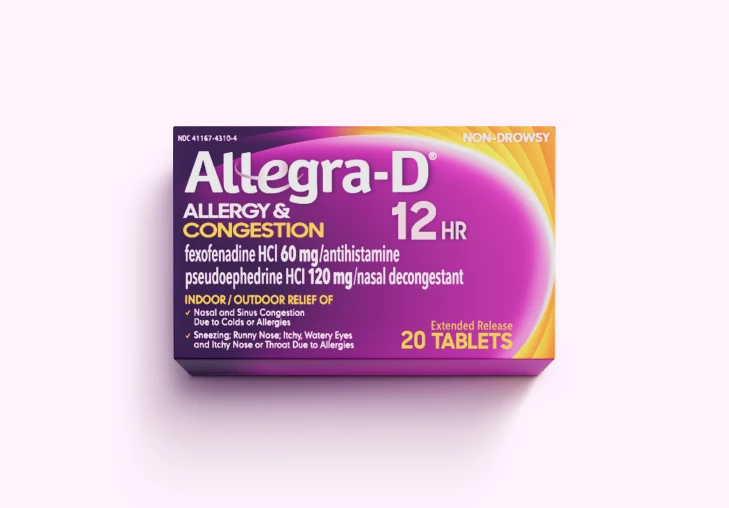
Non-sedating second-generation H1 antihistamines are commonly recommended as first-line treatment options for chronic urticaria (chronic hives). 3, 5-8These medicines help relieve symptoms such as itching and hives while being less likely to cause drowsiness than older, first-generation antihistamines. Clinical guidelines recommend second-generation antihistamines because they provide effective symptom control with fewer sedating effects, helping many people maintain their normal daily activities.8 Fexofenadine is one of the less-sedating second-generation antihistamines recommended for chronic urticaria management.9
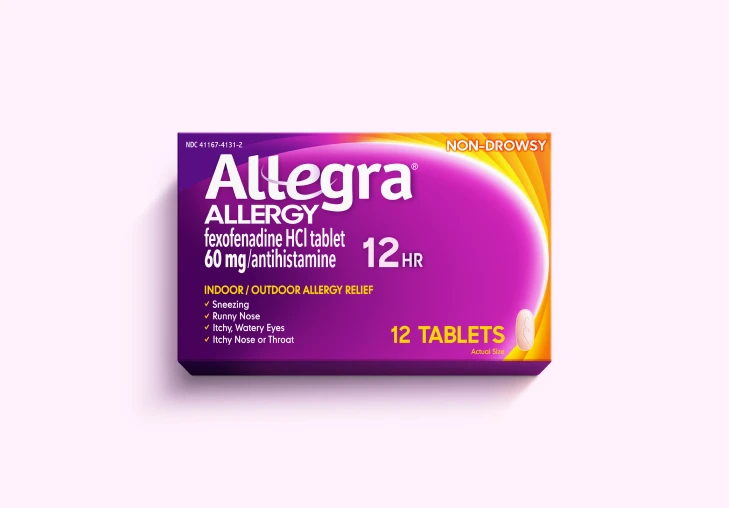
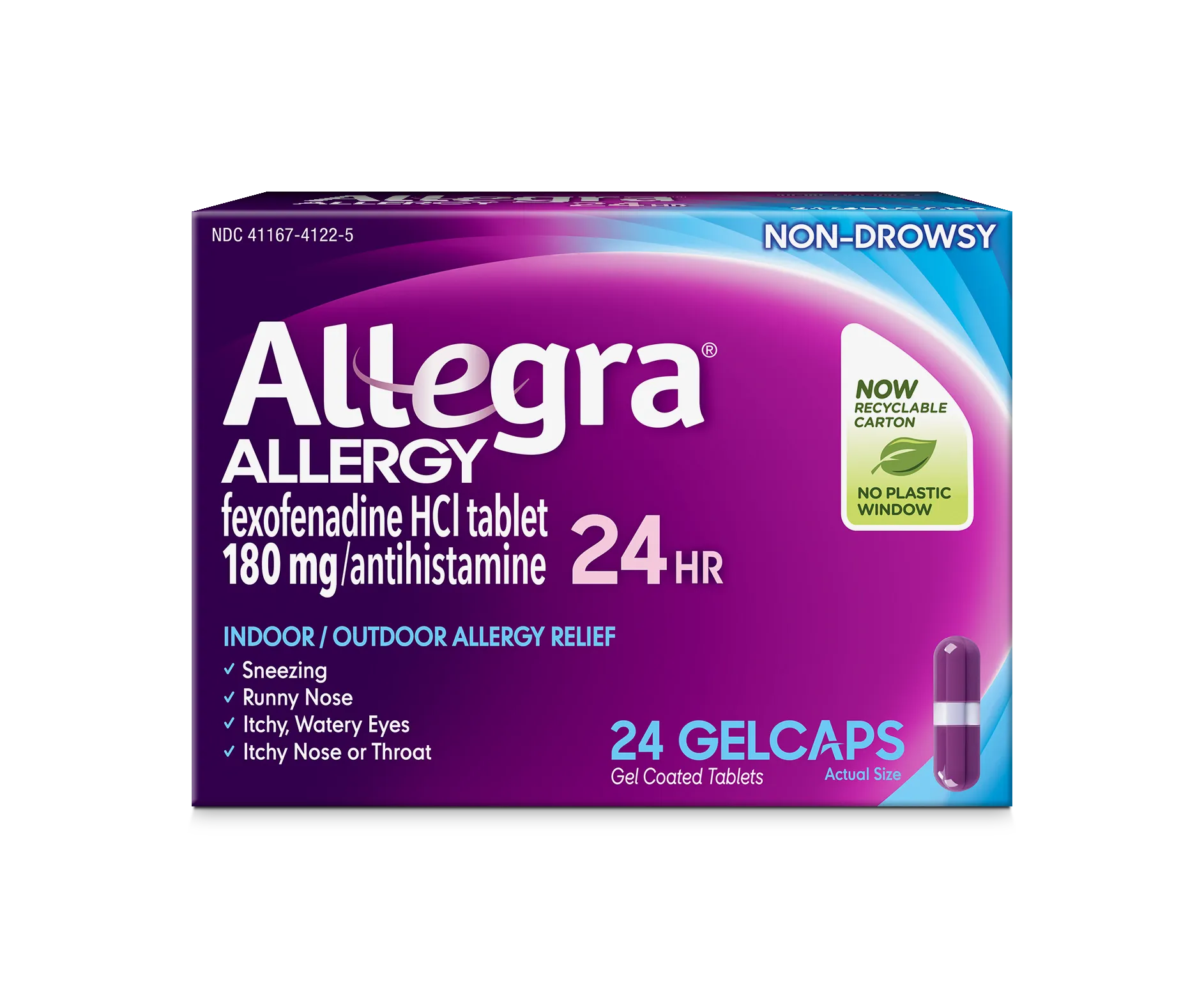
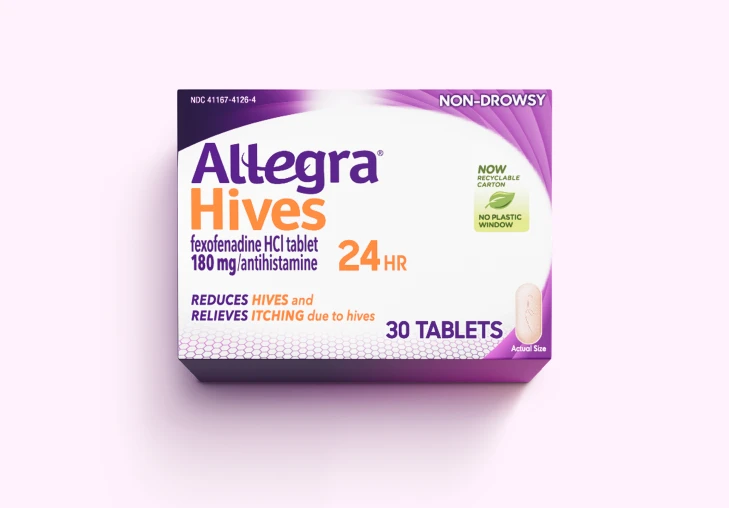
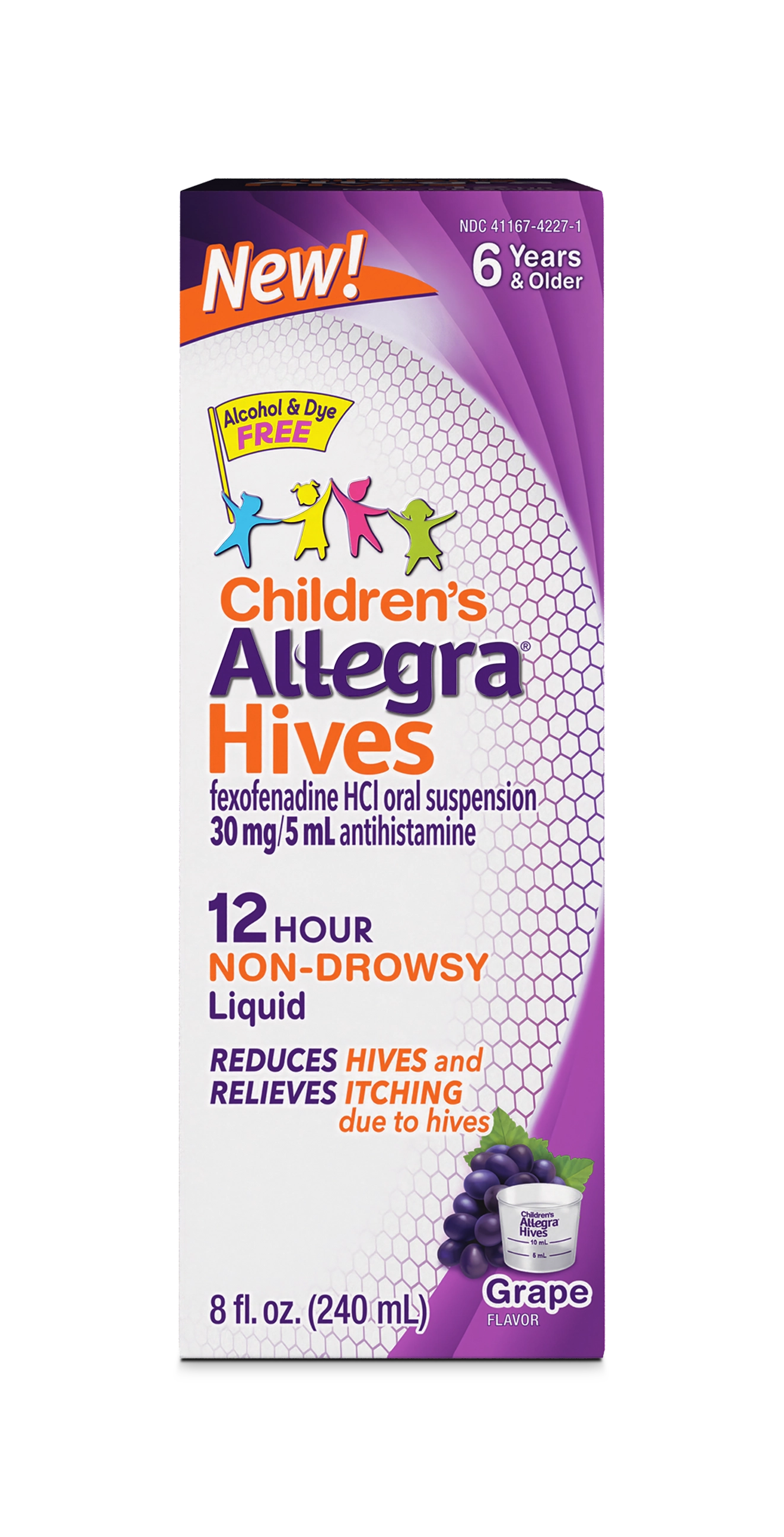
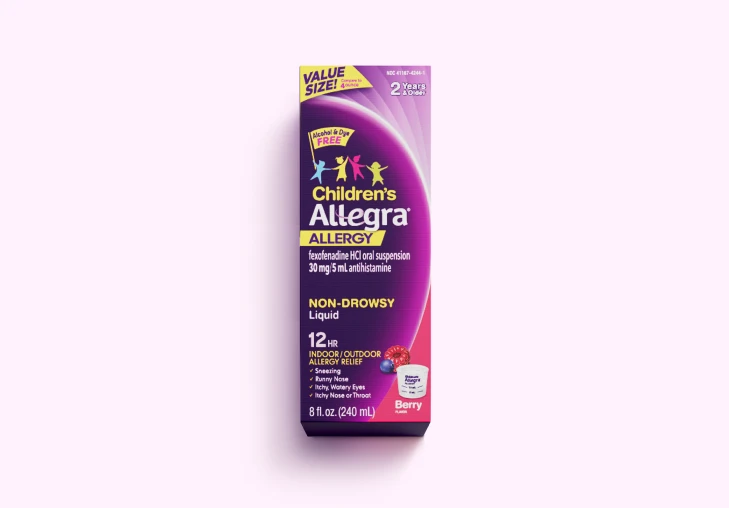
For people living with hives, products containing fexofenadine, such as Allegra Hives, may be an option to discuss with a healthcare professional. A healthcare professional can help determine whether a non-sedating second-generation antihistamine is appropriate based on an individual's symptoms, medical history, and response to treatment.
MAT-US-2610914
Disclaimer
Partially Al-generated before human review and editing. Image is AI generated including performer.
FAQs
Why Am I Randomly Getting Hives?
Hives that appear "randomly" may follow an infection, an overlooked physical trigger, or no identifiable external trigger. In older children and adults with new-onset urticaria, postinfection and acute idiopathic urticaria are common. Hives lasting longer than six weeks without a specific trigger may be consistent with chronic spontaneous urticaria.3, 4
What Food Causes Hives?
Confirmed food allergies can cause hives. Common food allergen sources include peanuts, tree nuts, fish, shellfish, milk, and eggs.2 IgE-mediated reactions usually begin soon after exposure and recur with the relevant food. A reproducible food and symptom pattern should be discussed with a healthcare professional.
Can Stress Cause Hives?
Stress can aggravate hives in some people. Stress-related neuroimmune signals may influence mast cells and the release of mediators involved in wheals and itching. However, available evidence does not establish stress as the sole cause of most hives, and a stress-related flare does not exclude another urticaria pattern.1
What Medications Can Cause Hives?
Medications that can trigger or aggravate hives include NSAIDs and beta-lactam antibiotics.1, 4 Infection-related hives may be mistakenly attributed to an antibiotic taken during the illness. ACE inhibitors are primarily associated with angioedema without itching or typical hives.4 Discuss the timing with the prescribing healthcare professional before changing treatment.
What Percentage of Chronic Hives Has No Identifiable Cause?
Chronic idiopathic urticaria accounts for as many as 80% to 90% of chronic urticaria cases.1 Chronic spontaneous urticaria is a legitimate, recognized diagnosis. The absence of an identified trigger should not be presented as proof that every possible condition has been excluded, but it is common in chronic disease.
Learn more

- Adult
Allergy Medicine for Adults: A Practical Guide

- Seasonal
Hay Fever and Allergic Rhinitis: What It Is and How to Get Relief

- Treatment
Why Do Some Allergy Medicines Make You Drowsy
- Treatment
- Seasonal
- Adult
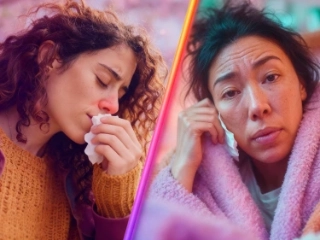
The Difference Between Allergies, the Flu and COVID
Not sure whether your symptoms point to the flu or allergies, or COVID-19? This guide walks through the symptoms of each condition so you can better understand what you’re experiencing.
Find your product
References
- Hon KL, Leung AKC, Ng WGG, Loo SK. Chronic urticaria: an overview of treatment and recent patents. Recent Pat Inflamm Allergy Drug Discov. 2019;13(1):27-37. doi:10.2174/1872213X13666190328164931.
- Galli SJ, Tsai M, Piliponsky AM. The development of allergic inflammation. Nature. 2008;454(7203):445-454. doi:10.1038/nature07204.
- Lee R, Bernstein JA. Chronic spontaneous urticaria and chronic inducible urticaria. J Allergy Clin Immunol. 2025;156(3):546-556. doi:10.1016/j.jaci.2025.05.019.
- Macy E. Practical management of new-onset urticaria and angioedema presenting in primary care, urgent care, and the emergency department. Perm J. 2021;25:21.058. doi:10.7812/TPP/21.058.
- Church DS, Church MK. Pharmacology of antihistamines. World Allergy Organ J. 2011;4(3 Suppl):S22-S27.
- Simpson K, Jarvis B. Fexofenadine: a review of its use in the management of seasonal allergic rhinitis and chronic idiopathic urticaria. Drugs. 2000;59(2):301-321.
- Meeves SG, Appajosyula S. Efficacy and safety profile of fexofenadine HCl: a unique therapeutic option in H1-receptor antagonist treatment. J Allergy Clin Immunol. 2003;112(4 Suppl):S69-S77. doi:10.1067/mai.2003.1727.
- Chu DK, Bernstein JA, Saini SS, et al; AAAAI/ACAAI JTF Chronic Urticaria Guideline Panel. Chronic Urticaria Guidelines: 2026 AAAAI/ACAAI Joint Task Force (JTF) on Practice Parameters GRADE and Institute of Medicine-Based Recommendations. AAAAI/ACAAI Joint Task Force on Practice Parameters; 2026.
- X. Zuberbier T, Aberer W, Asero R, et al. The EAACI/GA²LEN/EDF/WAO guideline for the definition, classification, diagnosis and management of urticaria. Allergy. 2018;73(7):1393-1414. doi:10.1111/all.13397.