
Hay Fever and Allergic Rhinitis: What It Is and How to Get Relief
- pollen-allergies
- allergy-vs-cold-symptoms
- Seasonal
Creation: Sep 18, 2026
Last update: Sep 18, 2026
That itchy, sneezy, foggy feeling that shows up every spring? For millions of people, it isn't a lingering cold that won't quit. It's hay fever. And once you understand what's actually happening inside your body, managing it gets a whole lot easier.
This guide walks you through what hay fever really is, why it causes everything from a runny nose to surprise fatigue and headaches, and what your options are when you want relief. This article explains what hay fever is, why it causes symptoms such as fatigue and headaches, and the options available to help manage it.
What Is Hay Fever and What Causes It
Hay fever is another name for seasonal allergic rhinitis, an allergic reaction that happens when your immune system overreacts to pollen in the air. Despite the name, hay isn't the culprit, and you don't need a fever to have it.
When pollen drifts into your nose, eyes, or throat, your immune system may mistake it for a threat. Although pollen is generally harmless, the body can respond by triggering an allergic reaction. The result is the familiar mix of sneezing, congestion, itching, and other allergy symptoms.
The Histamine Mechanism
To fight off what it thinks is a danger, your immune system releases a chemical called histamine. Histamine plays a key role in many hay fever symptoms. It contributes to swelling, itching, sneezing and mucus production that can occur during an allergic reaction.
Think of histamine as your body's alarm system going off for no good reason. The alarm is designed to protect you, but when it's set off by pollen, it just leaves you congested and uncomfortable. This is why so many relief options focus on calming that histamine response. Understanding this one chemical explains most of what you feel during allergy season.
Hay Fever Seasons: Tree, Grass and Weed Pollen
Different plants release pollen at different times of year, which is why your symptoms may flare up in one season and disappear in another. In the United States, the general pattern tends to follow three waves:1
- Tree pollen is often most active in spring.
- Grass pollen tends to peak in summer.
- Ragweed and other weed pollen commonly rise in the fall.
Keep in mind that exact timing varies quite a bit depending on where you live and your local climate.1 Pollen seasons in a warmer southern region can look very different from those in a cooler northern one. Some people also react to more than one type of pollen, which can stretch their symptoms across several months.
If you notice your symptoms return around the same time each year, that pattern is a helpful clue. It may point to which pollen your body reacts to most.
Hay Fever Symptoms, Including Fatigue and Headaches
Hay fever symptoms usually center on the nose, eyes and sinuses, but they can reach well beyond that. Alongside the familiar sneezing and congestion, many people also deal with fatigue and headaches that they don't immediately connect to allergies.
Here's the full picture. The most common hay fever symptoms include:
- Nasal congestion or a stuffy nose
- A runny nose
- Frequent sneezing
- Itchy, watery eyes
- An itchy nose or throat
- Sinus pressure
- Fatigue and low energy
- Headaches
Fatigue and headaches are sometimes overlooked because they are not always immediately associated with allergies.
Why Hay Fever Makes You Tired
Yes, hay fever can genuinely make you tired, and there are two main reasons why.
First, there's the inflammatory response. When your immune system is busy reacting to pollen, it's working overtime. That ongoing internal activity can leave you feeling drained, even if you haven't done anything physically demanding. Ongoing allergic inflammation may contribute to feelings of tiredness in some individuals.
Second, there's the sleep factor. Nasal congestion tends to get worse when you lie down, which can make it harder to breathe comfortably at night.2 Broken, restless sleep means you wake up less rested, and that tiredness follows you into the day.2 Congestion and poor sleep feed into each other, and the fatigue builds.
For some individuals, allergies may contribute to low energy levels, particularly during periods of increased symptom activity.
Managing allergy symptoms may help reduce factors that can interfere with sleep, which may contribute to improved daytime comfort.
Hay Fever and Headaches
Hay fever can also cause headaches, and they're usually tied to sinus pressure.2
When the tissues in your nose and sinuses swell up from the allergic reaction, pressure can build in the spaces around your forehead, cheeks and eyes.2 That buildup often shows up as a dull, aching headache. Congestion is frequently the underlying driver, so when your nose is heavily blocked, a headache may not be far behind.
If your headaches seem to appear alongside your other allergy symptoms and fade when those symptoms settle, hay fever may well be the connection. For persistent or severe headaches, though, it's always worth checking in with your doctor to rule out other causes.
What About Your Eyes?
Itchy, watery eyes are one of the most recognizable hay fever symptoms, caused by pollen irritating the delicate tissue around your eyes. Because eye symptoms deserve a proper deep dive of their own, we've covered them separately in a dedicated guide.
The Full Toolkit for Hay Fever Relief
There's no single fix for hay fever, but there is a whole toolkit of options that may help ease your symptoms. Most people find that a combination of approaches works better than relying on just one, and the right mix often depends on which symptoms bother you most.
Here's an overview of the main categories worth knowing about.
The Relief Toolkit at a Glance
Saline rinses. A simple saltwater rinse can help flush pollen and mucus from your nasal passages. Saline is gentle and can be used as often as needed, making it a practical everyday tool.
HEPA filters. Reducing your exposure to pollen indoors can make a real difference. A HEPA air filter may help lower the amount of airborne allergens floating around your home, which can ease your symptoms over time.2
Beyond these, small habits help too. Keeping windows closed during high pollen periods and rinsing off after time outdoors can reduce how much pollen you bring inside with you.2
Antihistamines. These work by countering histamine, the chemical behind most hay fever symptoms. Because they target the root of the reaction, oral antihistamines are often a first step for people dealing with sneezing, a runny nose and itchy eyes.
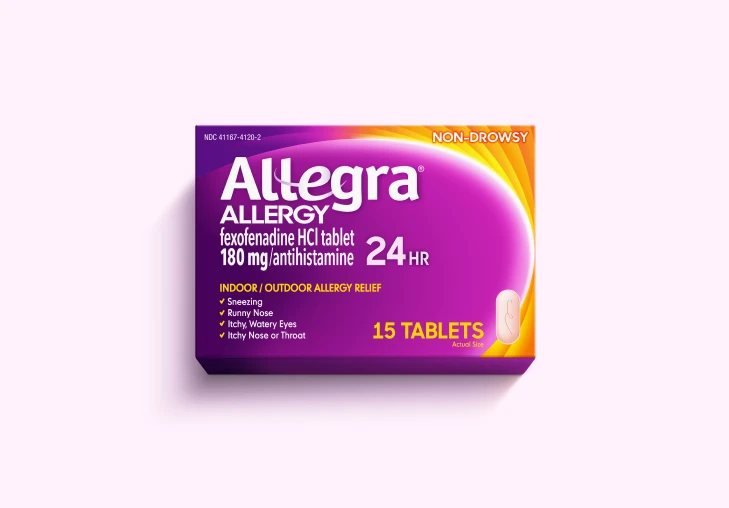
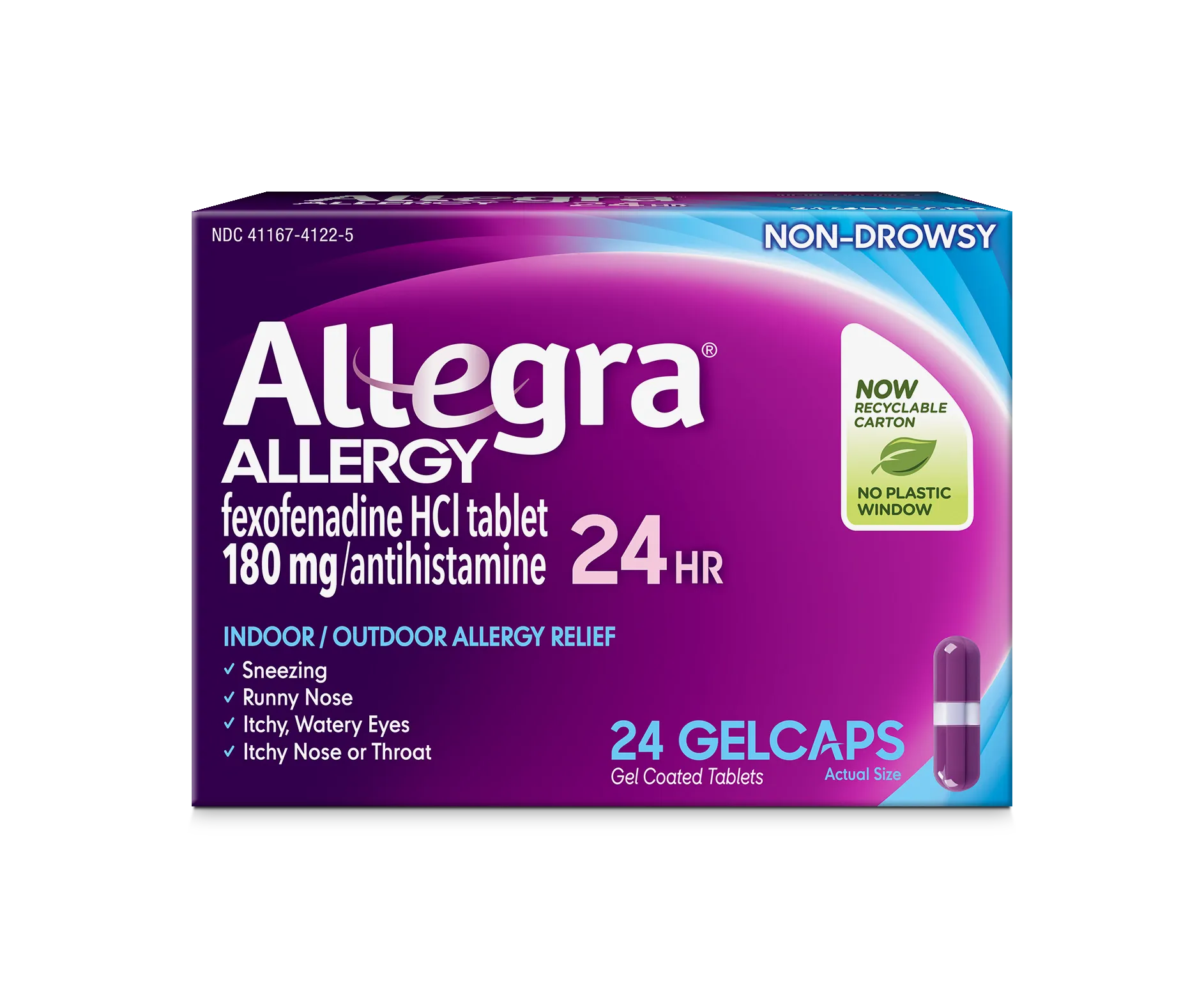
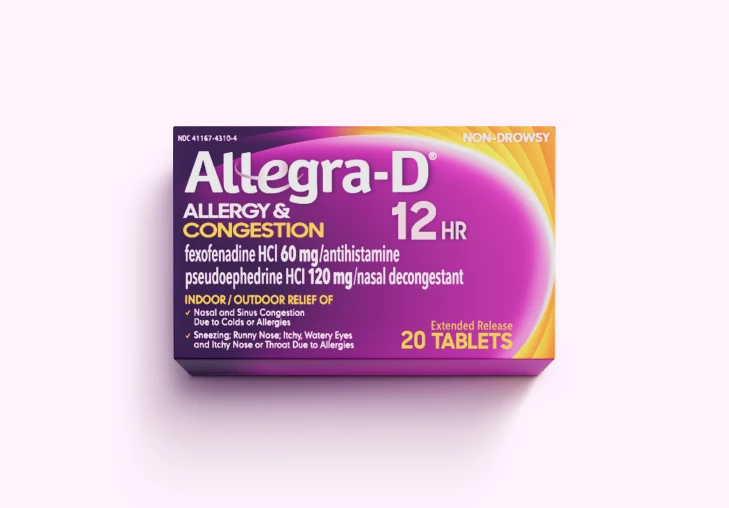
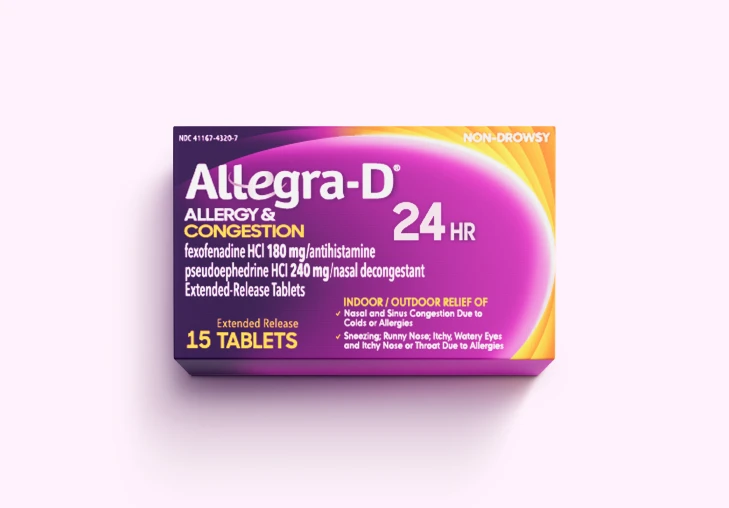
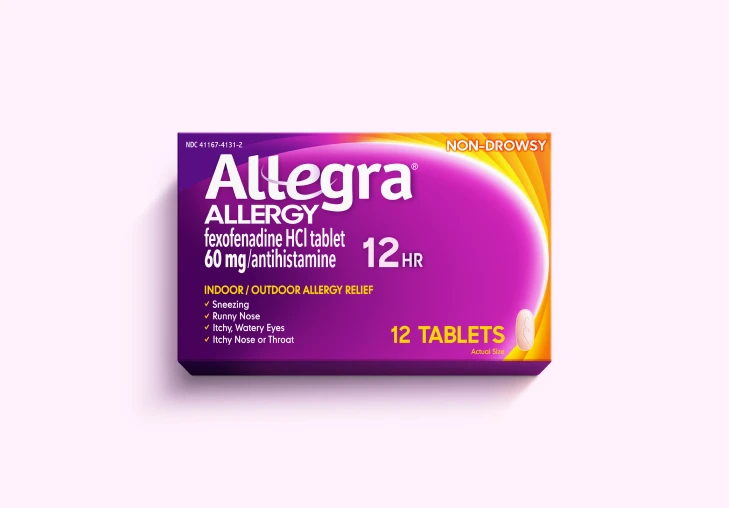
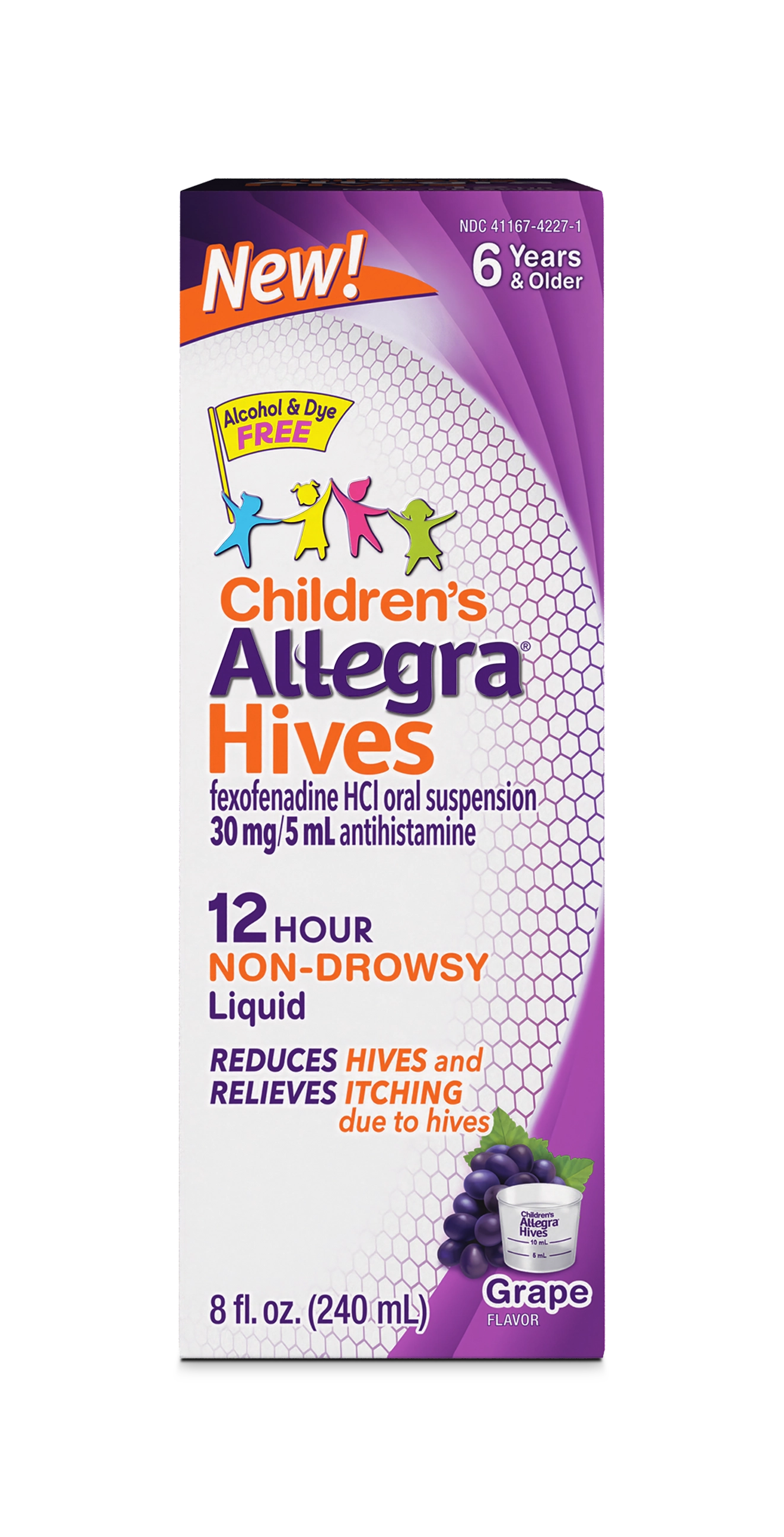
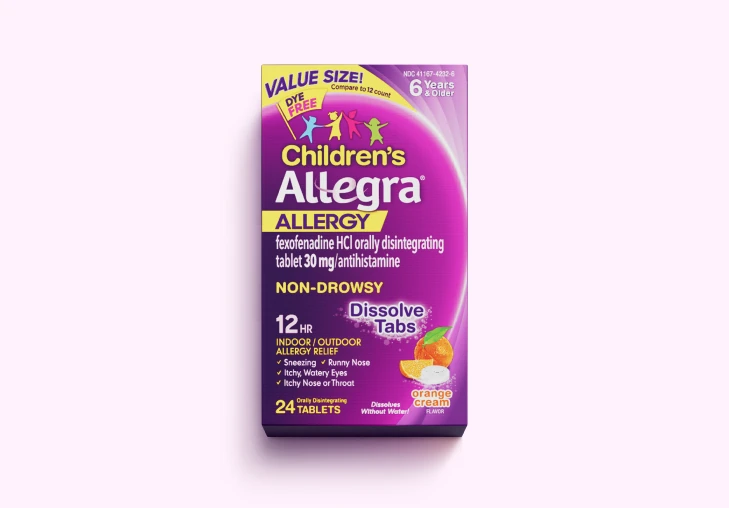
This is where Allegra (fexofenadine) fits in. Allegra is a non-drowsy antihistamine option for relief of allergy symptoms such as sneezing, runny nose, itchy or watery eyes, and nasal congestion. Because hay fever itself can contribute to fatigue, many people prefer a non-drowsy option for daytime symptom management. If you want to compare different congestion medicines in more detail, explore our dedicated guide on nasal decongestants and congestion medicine.
Nasal sprays. Several types of nasal sprays may help with congestion and inflammation. They deliver relief directly to the source, which some people find useful when a stuffy nose is their main complaint.
Eye drops. For itchy, watery eyes, allergy eye drops may offer targeted relief. They soothe the irritation right where it's happening.
If a stuffy nose is your biggest struggle, our dedicated guide covers how to get rid of a stuffy nose in depth. If a runny nose is your main concern, explore our guide on how to stop a runny nose. For a broader look at congestion medicine options, see our guide on nasal decongestants and congestion medicine. If itchy or watery eyes are your most troublesome symptom, visit our hay fever eyes guide for a deeper explanation.
When to See a Doctor
Most hay fever symptoms can be managed at home with over-the-counter options. But there are times when it makes sense to get professional advice.
Consider seeing a doctor if:
- Your symptoms aren't well controlled by over-the-counter products.
- Hay fever is significantly affecting your quality of life, work or sleep.
- Your symptoms feel severe, unusual or keep getting worse.
A healthcare professional can help you understand what's going on and suggest an approach suited to your situation. Individual responses to different options can vary, so personalized guidance is genuinely valuable when things aren't improving.
Disclaimer
Partially Al-generated before human review and editing. Image is AI generated including performer.
MAT-US-2610227_2026
FAQs
What Is Hay Fever?
Hay fever, also called seasonal allergic rhinitis, is an allergic reaction to pollen. When your immune system mistakes pollen for a threat, it releases histamine, which triggers symptoms like nasal congestion, sneezing, a runny nose and itchy eyes. It can also cause fatigue and headaches.
When Is Hay Fever Season?
Hay fever season follows the pollen calendar. In the United States, tree pollen is often highest in spring, grass pollen tends to peak in summer and ragweed or weed pollen commonly rises in fall.1 Exact timing varies by region and local climate, so your personal season may differ from someone else's.
Can Hay Fever Make You Tired?
Yes, hay fever can make you tired. The immune system's ongoing inflammatory response uses up energy and can leave you feeling drained. On top of that, nasal congestion often disrupts sleep, especially at night.2 Poor rest combined with internal inflammation can add up to noticeable daytime fatigue.
Does Hay Fever Cause Headaches?
Hay fever can cause headaches, and they're usually linked to sinus pressure.2 When nasal and sinus tissues swell during an allergic reaction, pressure builds in the spaces around your forehead and cheeks. That pressure often shows up as a dull, aching headache that tends to ease as congestion settles.
What Is the Difference Between Hay Fever and a Cold?
A cold is caused by a virus and usually resolves within a week or two. Hay fever is an allergic reaction to pollen and can continue for as long as exposure persists. Itchy eyes are more commonly associated with hay fever, while fever and body aches are more commonly associated with a cold.
What Is the Best Relief for Hay Fever?
There's no single answer, since relief depends on which symptoms trouble you most. The toolkit includes antihistamines, nasal sprays, eye drops, saline rinses and HEPA filters. Many people combine a few. For a closer look at congestion medicine options, explore our dedicated guide on nasal decongestants and congestion medicine.
Hay fever can feel overwhelming, but understanding what is happening in your body can make it easier to manage. Histamine plays a key role in many allergy symptoms, and hay fever can affect more than just your nose. Symptoms such as fatigue and headaches are also part of the picture for many people. By understanding the condition and exploring the available relief options, you can take a more informed approach to symptom management.
If one symptom is affecting you more than the others, explore the detailed guides linked throughout this hub for more targeted information on relief options and symptom management.
Learn more

- treatment
Why Do Some Allergy Medicines Make You Drowsy

- Treatment
- Seasonal
- Adult
The Difference Between Allergies, the Flu and COVID
Not sure whether your symptoms point to the flu or allergies, or COVID-19? This guide walks through the symptoms of each condition so you can better understand what you’re experiencing.

- Seasonal
- Adult
Combat Dust Allergy Symptoms with Confidence
If you’ve been dealing with nonstop sneezing, itchy eyes, or year-round congestion, dust allergies might be to blame. This guide breaks down how to spot dust allergy symptoms and how to dust-proof your home.

- Seasonal
- Adult
Comprehensive Guide to Traveling with Allergies: Stay Safe & Enjoy Your Trip
Traveling with allergies doesn’t have to feel overwhelming. This guide walks you through preparing before your trip, what to watch for in new environments, and how to stay safe on the go.
Find your product
References
- American Academy of Allergy, Asthma & Immunology. Pollen allergy. AAAAI regional pollen data. Accessed 03 Sep 2026.
- Bousquet J, Bachert C, Canonica GW, et al. Allergic rhinitis and its impact on sleep, fatigue, and quality of life. Allergy. Internal knowledge document—Allergies and Sleep: Association Between Allergic Rhinitis and Sleep Characteristics. Opella content knowledge base. Accessed 03 Sep 2026.